









2026 Frankfurt Automotive Aftermarket Show: How to Choose a Reliable Automotive Lighting Supplier? 5 Key Evaluation Criteria

Before attending Automechanika Frankfurt 2026, automotive aftermarket buyers typically review exhibitor lists, product categories, and potential suppliers in advance to make the most of their time at the show.
However, due to international conditions, travel budgets, and rising airfares, some automotive aftermarket buyers may choose not to travel to Frankfurt this year. Not being able to attend the show in person does not mean that you cannot find a reliable automotive lighting supplier.
Buyers can still conduct an initial supplier screening through official company websites, product catalogs, certification documents, test reports, manufacturing information, and online meetings. Suppliers that meet the initial requirements can then be contacted for further discussions and sample evaluation.
As the global automotive industry continues to move toward electrification, intelligent vehicles, and higher safety requirements, automotive lighting is no longer evaluated only by its basic lighting function. Compliance with market-specific regulations, consistent product quality, supply stability, and the ability to meet different market requirements have all become important considerations when selecting a supplier.
For automotive parts importers, distributors, brand owners, and OEM/ODM purchasing teams, product quality, reliable lead times, and technical support can directly affect product launches, market development, and long-term business relationships.
This article outlines five key criteria for evaluating a reliable automotive lighting supplier, whether you plan to visit the show in person or conduct your supplier search online.
1.Supply Chain Stability: Ensure Reliable Supply and Lead Times
Automotive lighting products often require stable, long-term supply. Therefore, buyers should evaluate more than product specifications and pricing. It is equally important to understand whether a supplier has the production capacity and supply chain management capabilities to maintain consistent delivery.
Diversified Manufacturing Locations
Having multiple manufacturing locations can reduce operational risks associated with a single region and provide greater flexibility in production and supply.
SCI (Shin Chin Industrial Co., Ltd.) operates a multi-country manufacturing network, with production facilities in Taiwan, Mainland China, and Indonesia, allowing production arrangements to be adjusted according to product requirements and market conditions.
Inventory and Lead Time Management
Buyers should also ask suppliers about:
- Standard lead times for regular products
- Production capacity for large-volume orders
- Availability of raw materials and key components
- Production capacity during peak seasons
- Procedures for handling urgent orders
These questions can provide a better understanding of whether a supplier is suitable for long-term cooperation than simply asking about MOQ.
How Can Buyers Evaluate Supply Chain Capabilities Online?
If you are unable to attend Automechanika Frankfurt 2026, you can still begin by reviewing the supplier’s official website for information such as:
- Company history and manufacturing experience
- Global manufacturing locations
- Factory locations
- Product categories
- OEM/ODM capabilities
- Main export markets
You can then contact the supplier by email or arrange an online meeting to discuss lead times, production capacity, MOQ, and manufacturing processes.
A reliable supplier should be able to clearly explain its manufacturing capabilities, rather than simply providing a product catalog.
2.International Certifications and Automotive Testing Standards: An Important Requirement for Global Markets
Automotive lighting products are closely related to road safety. As a result, different markets have their own regulatory and testing requirements.
For buyers planning to sell products in Europe, North America, or other international markets, confirming whether a supplier has the appropriate certifications and testing capabilities is an essential part of the sourcing process.
The Importance of E-MARK Certification
E-MARK is an important regulatory certification for automotive components in the European market. Applicable products must comply with the relevant requirements of the UNECE Regulations.
However, not every automotive lighting product is subject to the same E-MARK regulation. Buyers should therefore ask more specific questions instead of simply asking whether a supplier has E-MARK certification.
For example:
- Which UNECE Regulation applies?
- Which product model is covered by the certification?
- What is the scope of the certification?
- Are the relevant certification and test documents available?
This helps buyers verify whether the product actually meets the regulatory requirements of the target market.
Common Automotive Lighting Tests
A reliable automotive lighting supplier should have appropriate product testing and quality verification capabilities, depending on the product and target market. Common tests may include:
- Water resistance testing (IP67, IP68, IP69K)
- Dust resistance testing
- Vibration and shock testing
- Electromagnetic compatibility (EMC) testing
- Photometric and optical performance testing
- High- and low-temperature testing
- Environmental and weather resistance testing
Actual testing requirements vary depending on the product type and applicable regulations.
Quality Management Systems
In addition to product certifications, buyers should also evaluate the supplier’s quality management systems, such as:
- ISO 9001 Quality Management System
- IATF 16949 Automotive Quality Management System
- Standardized production and inspection procedures
Suppliers with established quality management and product testing capabilities can help buyers reduce quality and regulatory risks when introducing products into international markets.
SCI (Shin Chin Industrial Co., Ltd.) and its manufacturing facilities hold management system certifications including ISO 9001, IATF 16949, and ISO 45001, with product testing and quality verification conducted according to product and market requirements.
How Can Buyers Verify Certification Capabilities Online?
This is particularly important for buyers who cannot attend Automechanika Frankfurt this year.
Rather than relying only on statements such as “Certified” or “Compliant with International Standards” on a supplier’s website, buyers should request:
- Certification documents for the relevant products
- Certified product models and specifications
- Test reports
- Quality management system certificates
- Applicable market and regulatory information
Reviewing these documents can provide a more reliable assessment of whether a supplier is genuinely prepared to serve international markets.
3.In-House R&D Capabilities: From Product Supplier to Technology Partner
For brand owners and OEM/ODM customers, a supplier’s in-house R&D capabilities can be more important for long-term cooperation than product pricing alone.
Market requirements continue to change. If a supplier only offers standard products, customers may need to find another partner when they require changes to the product appearance, beam pattern, mounting system, or electrical specifications.
An automotive lighting manufacturer with its own R&D capabilities can respond more effectively to customer requirements and support product development and customization.
Optical Design Capabilities
Lighting performance directly affects the practical value of a product.
A professional automotive lighting supplier should have capabilities such as:
- Optical simulation and analysis
- LED light source configuration
- Spot and flood beam design
- Beam pattern optimization
- Regulatory photometric design
Electronic and Circuit Design
Modern automotive lighting products increasingly integrate electronic functions, including:
- Multi-function lighting modes
- Voltage protection
- Current control
- EMC design
- Support for different vehicle voltage systems
These functions require close cooperation between R&D and engineering teams.
OEM/ODM Development Capabilities
For automotive aftermarket brands, OEM/ODM capabilities can reduce the time and resources required for product development.
A capable automotive lighting manufacturer can support customers with:
- Industrial and product design
- Mechanical development
- Circuit design
- Optical design
- Customized function integration
- Private-label product development
How Can Buyers Evaluate R&D Capabilities Online?
If you cannot meet an engineering team at the trade show, ask the supplier to provide:
- Product development processes
- Photos of R&D equipment
- Laboratory and testing facilities
- Testing capabilities
- Previous OEM/ODM development examples
- Custom product development procedures
You can also arrange an online technical meeting and discuss your product requirements directly with the supplier’s R&D or engineering team.
The ability of an engineering team to answer detailed technical questions is often a better indicator of actual R&D capabilities than simply stating “R&D Capability” on a website.
4.In-House Manufacturing Capabilities: Ensuring Consistent Quality and Production Efficiency
Some suppliers primarily operate as trading companies or outsource their manufacturing. When looking for a long-term partner, buyers should therefore understand who designs the products, who manufactures them, and who is responsible for quality control.
Suppliers with in-house manufacturing capabilities generally have greater control over product quality, production schedules, and lead times.
Advantages of Vertical Integration
When R&D, tooling, component manufacturing, assembly, and quality inspection are integrated within the same organization or manufacturing network, communication can be streamlined and quality control can be more effectively managed.
SCI has in-house manufacturing capabilities covering R&D, tooling, plastic injection molding, component production, product assembly, and quality inspection, creating an integrated manufacturing process.
Quality Traceability
Manufacturing capability is not simply about owning a factory. More importantly, buyers should understand whether the supplier has a structured quality management and traceability system.
Online discussions with suppliers can cover:
- Raw material management
- Production traceability
- Quality inspection procedures
- Outgoing quality standards
- Non-conforming product handling
- Product traceability systems
These questions can help buyers evaluate whether a supplier is capable of stable mass production.
Faster Response to Market Changes
In-house manufacturing can also provide greater flexibility when market demand changes.
SCI has established an R&D team and engineering laboratory facilities at its Taiwan headquarters. From in-house plastic injection molding and component production to final assembly, SCI has developed an integrated manufacturing process that enables the company to respond efficiently to changing market requirements.
5.Global Market Experience and Long-Term Partnership Capabilities
When automotive lighting products are sold internationally, the challenges are not limited to language differences. Different countries may have different regulatory requirements, electrical systems, operating environments, and customer expectations.
For this reason, a supplier’s international market experience is another important factor for buyers to evaluate.
Understanding Different Market Requirements
Relevant market requirements may include:
- European ECE/UNECE regulations
- North American SAE standards
- Product requirements in different Asian markets
- Requirements for different vehicle types and applications
Suppliers with long-term experience serving customers in different countries are generally more familiar with cross-market product development and documentation requirements.
Long-Term Support Capabilities
A reliable supplier should provide more than product delivery. Long-term support may include:
- Technical support
- After-sales service
- New product development recommendations
- Product selection assistance
- Certification and testing information
- Market and product trend discussions
For brand owners, these capabilities can have a direct impact on product development efficiency and long-term market growth.

Unable to Attend Automechanika Frankfurt 2026? You Can Still Find the Right Automotive Lighting Supplier Online
For buyers who cannot travel to Frankfurt this year due to international conditions, travel budgets, or airfare costs, supplier sourcing does not have to stop.
In fact, online supplier screening can be used as the first stage of the sourcing process.
Step 1: Review the Supplier’s Official Website
Start by checking whether the supplier has a complete and regularly updated official website, including:
- Company background
- Manufacturing locations
- Product categories
- Certification information
- OEM/ODM capabilities
- Contact information
- Trade show participation
A manufacturer with long-term experience in automotive lighting will often demonstrate its product depth and industry expertise through the quality and detail of its website.
Step 2: Download Product Catalogs and Specifications
Do not evaluate suppliers based only on product photos.
Check information such as:
- Voltage range
- Power consumption
- Lumens
- Beam pattern
- IP rating
- Operating temperature
- EMC
- Certification information
- Mounting options
Detailed product information makes it easier to compare suppliers and determine whether their products fit your market requirements.
Step 3: Request Certification and Test Documents
If you plan to sell products in Europe or other international markets, request the applicable certification and test documentation.
Remember: certifications should correspond to specific product models rather than simply confirming that a company “has certifications.”
Step 4: Schedule an Online Meeting
After identifying several potential suppliers, arrange an online meeting through Google Meet, Microsoft Teams, or another suitable platform.
Where possible, ask to have not only a sales representative but also members of the following teams join the meeting:
- Sales
- R&D Engineering
- QA/QC
- Product Management
Direct technical discussions can provide a much clearer understanding of a supplier’s actual capabilities.
Step 5: Request Samples for Evaluation
Online information can only complete the initial supplier screening.
If a product meets your requirements, request samples for further evaluation, including:
- Beam pattern
- Light output
- Mounting method
- Water resistance
- Mechanical quality
- Electrical performance
- Actual application performance
By following a process of website review → online meeting → certification verification → sample testing, buyers can establish a practical supplier evaluation process even without attending Automechanika Frankfurt 2026 in person.
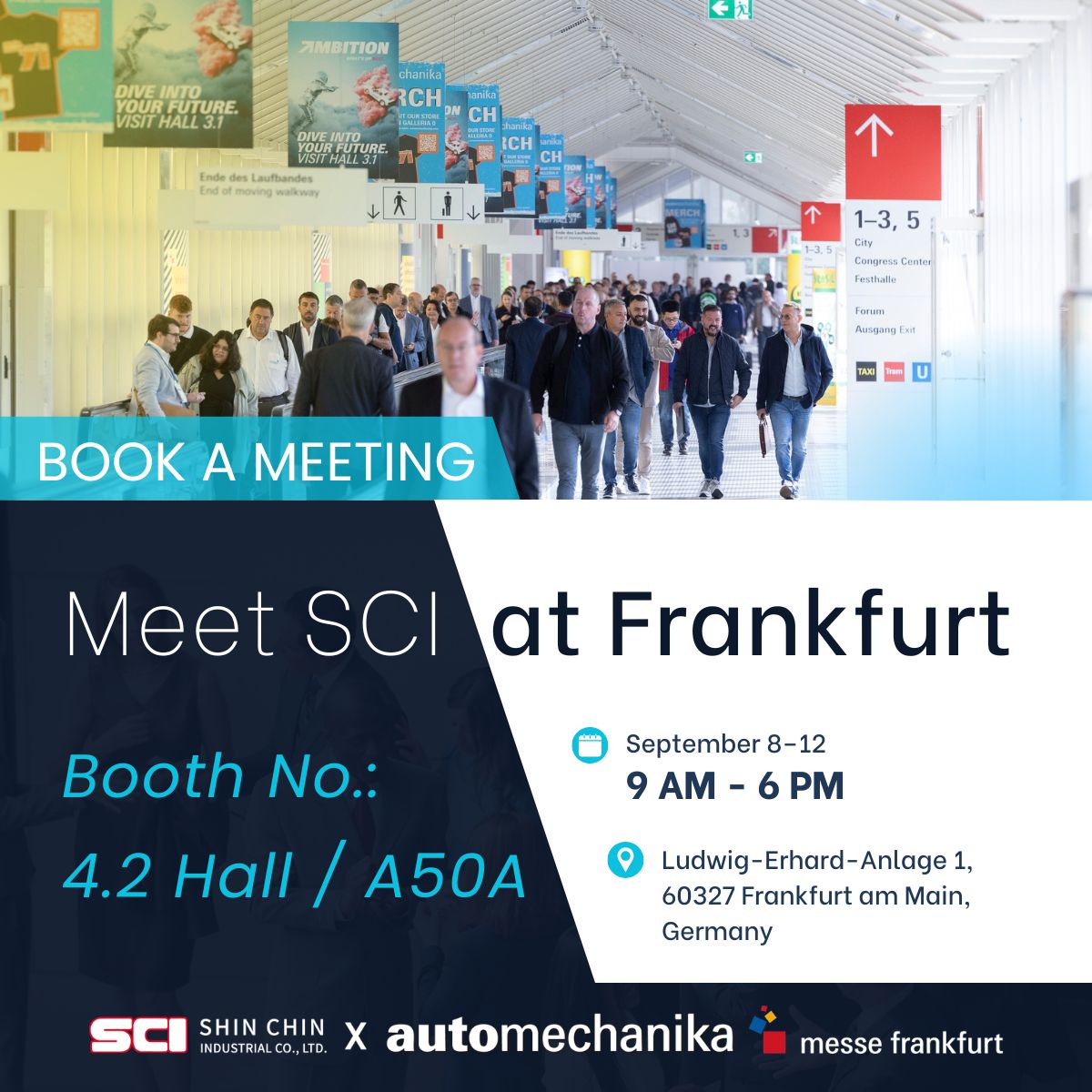
Meet SCI at Automechanika Frankfurt 2026
If you are attending Automechanika Frankfurt 2026, we welcome you to visit the SCI booth and discuss your automotive lighting requirements in person.
If you cannot attend due to travel or scheduling constraints, you are also welcome to contact SCI online to arrange a virtual meeting, request product information, or discuss OEM/ODM opportunities.
Exhibition Information
Exhibition: Automechanika Frankfurt 2026
Dates: September 8–12, 2026
Venue: Ludwig-Erhard-Anlage 1, 60327 Frankfurt am Main, Germany
Booth: Hall 4.2 / Booth A50A
Products on display will include:
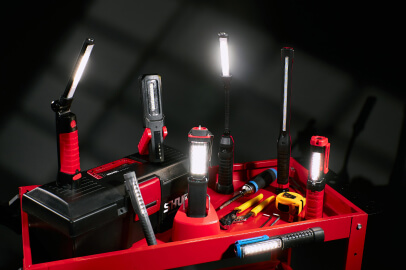
- LED Work Lights
- LED Auxiliary Driving Lights
- LED Signal and Marker Lights
- Vehicle USB PD Chargers
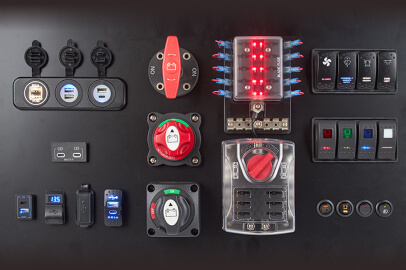
- Power Control Switches
- Fuse Holders and Electrical Management Components
Whether you choose to visit the exhibition in person or search for suppliers online, supply chain stability, international certifications, R&D capabilities, in-house manufacturing, and global market experience can serve as important criteria when evaluating an automotive lighting partner.
Contact SCI to learn more about our automotive lighting products and OEM/ODM solutions.
6.Frequently Asked Questions (FAQ)
Q1: How can I quickly determine whether an automotive lighting supplier is reliable?
Evaluate the supplier across five areas: supply chain stability, product certifications and testing capabilities, in-house R&D, manufacturing capabilities, and international market experience.
Q2: Why is E-MARK certification important for automotive lighting products?
E-MARK is an important regulatory certification for automotive components in the European market. However, the applicable regulation and certification requirements vary by product type. Buyers should confirm the specific product model and applicable regulation rather than simply asking whether a supplier has E-MARK certification.
Q3: Can I still find a suitable automotive lighting supplier if I cannot attend Automechanika Frankfurt 2026?
Yes. Buyers can use official supplier websites, product catalogs, certification documents, and test reports for initial screening, followed by online meetings, technical discussions, and sample testing to further evaluate potential suppliers.
Q4: What information should I check when searching for an automotive lighting supplier online?
Start with the company’s background, manufacturing locations, product specifications, certifications, test reports, OEM/ODM capabilities, MOQ, lead times, and technical support.
Q5: Why are in-house R&D capabilities important for an automotive lighting supplier?
In-house R&D capabilities enable suppliers to respond more quickly to customer requirements and support customization in optical, mechanical, electrical, and functional design. This is particularly valuable for brands developing private-label or application-specific products.
Q6: What questions should I ask automotive lighting suppliers at Automechanika Frankfurt 2026?
Ask about product certifications, testing capabilities, manufacturing locations, OEM/ODM experience, lead times, MOQ, quality management procedures, and after-sales support. If you cannot attend the show, these questions can also be used as an online supplier evaluation checklist.
Q7: How can I verify whether an automotive lighting supplier is a manufacturer rather than a trading company?
Review the company’s website, manufacturing locations, factory information, product development capabilities, R&D team, quality management systems, and OEM/ODM experience. You can also request an online factory tour or ask the supplier to explain the process from product design and component manufacturing through final assembly.