



Choosing the Best Off-Road Lighting
The Ultimate Guide to Lighting for Off-Road Performance
Whether on muddy mountain roads or in the wilderness at night, reliable lighting is the first step to safety. The SCI off-road lighting series is designed with high brightness, waterproofing, and shock resistance at its core, delivering exceptional visibility and durability.
- Driving light
- Light Bars
- LED Driving Lamps
- LED Work Lamp
- 4x4 Driving Lights
- Auxiliary Lights
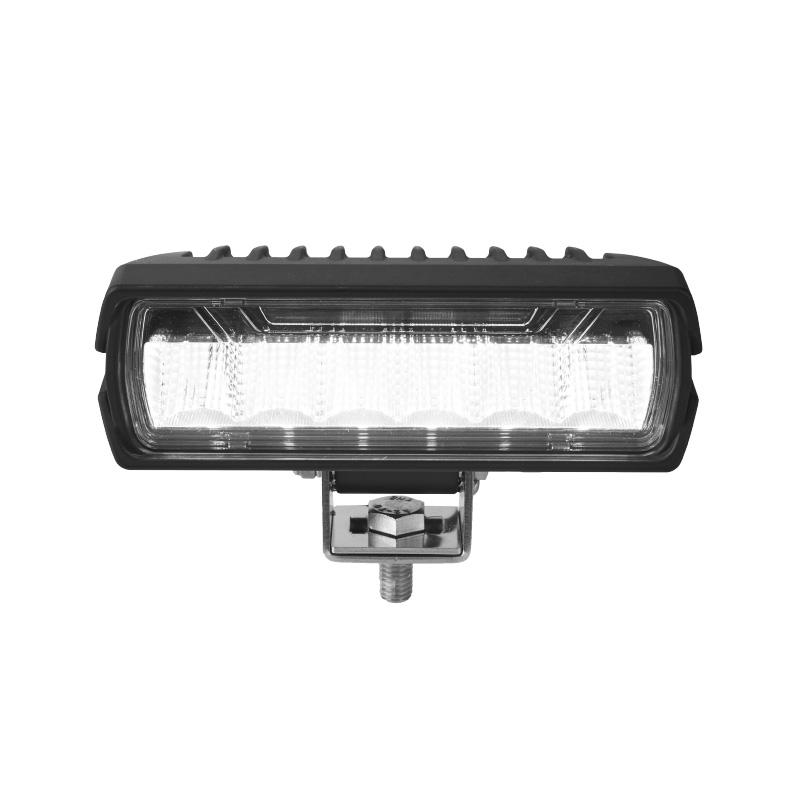
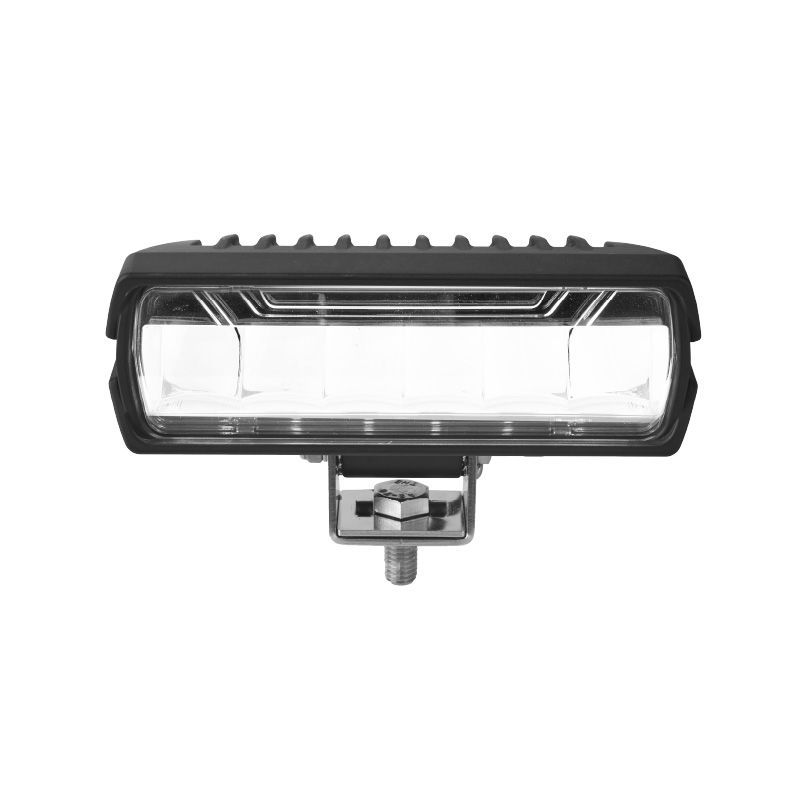
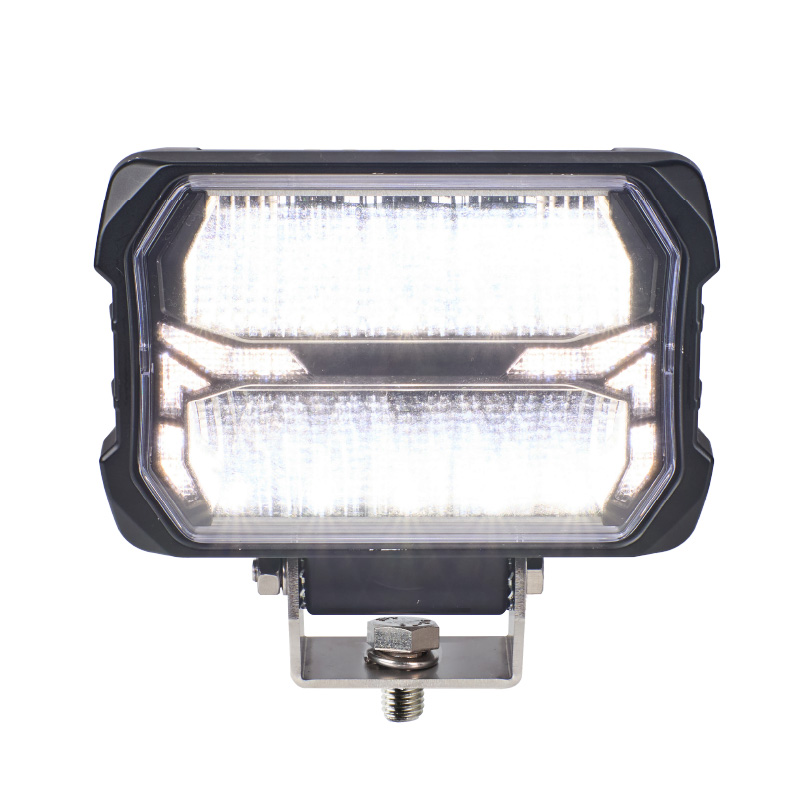
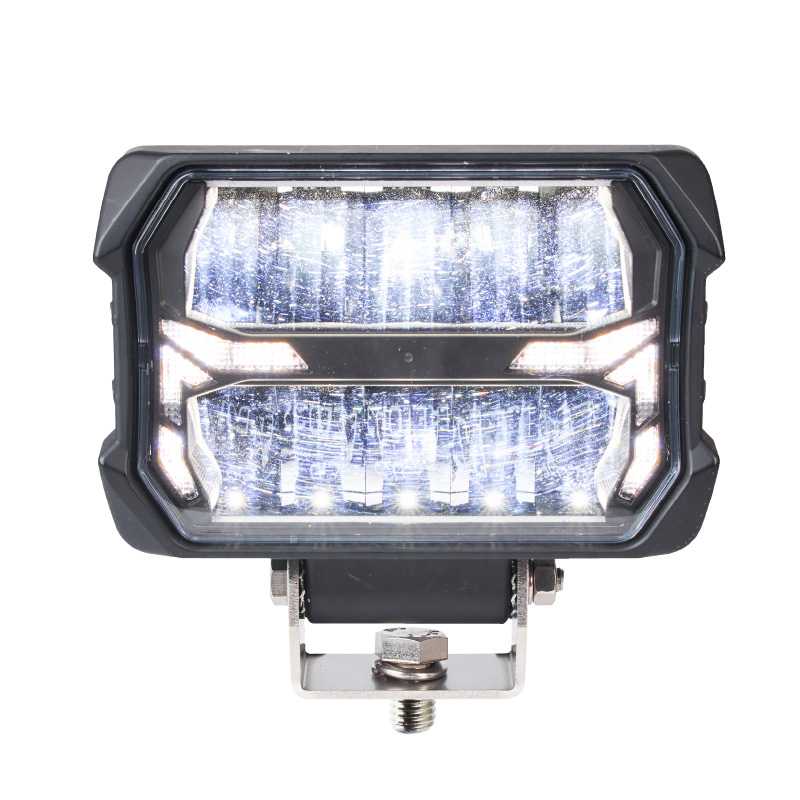
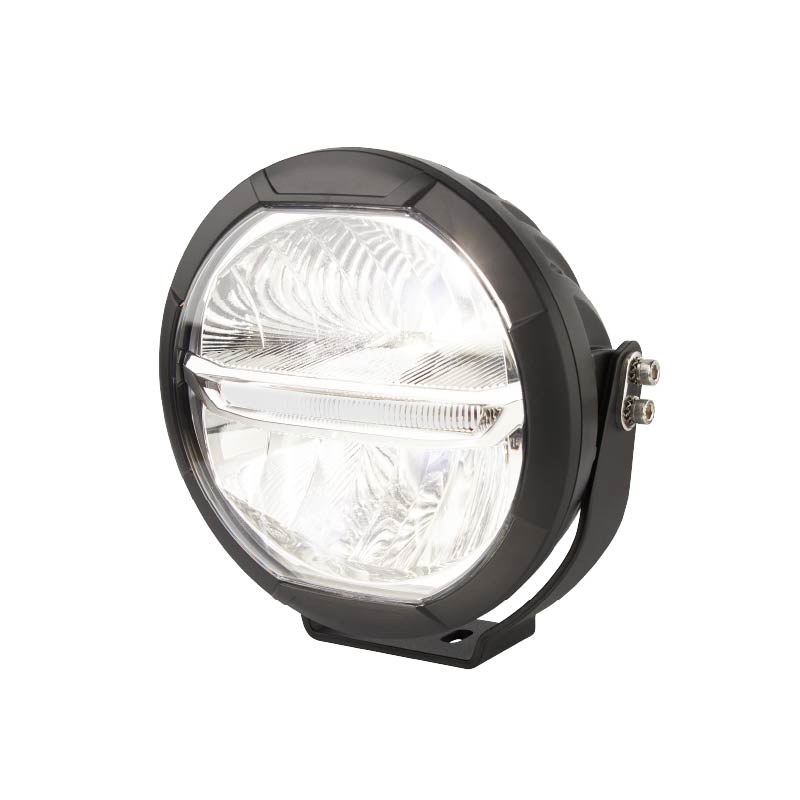
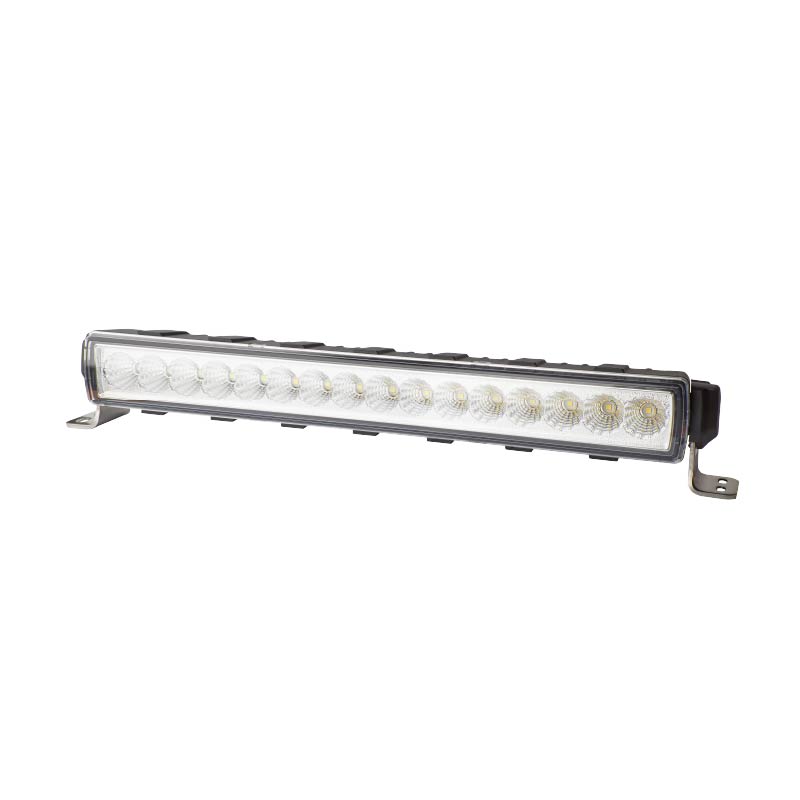
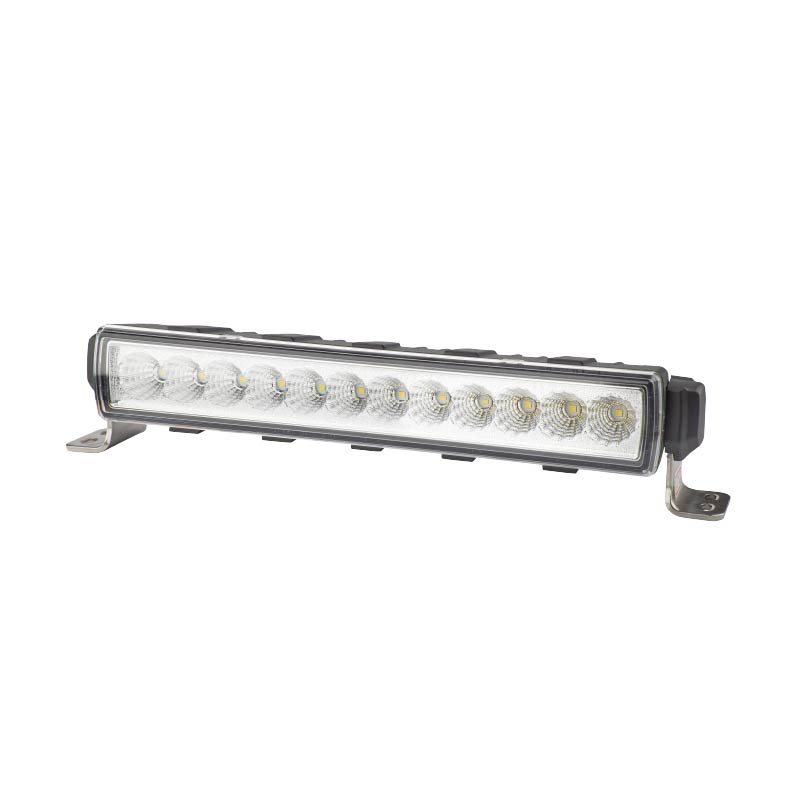
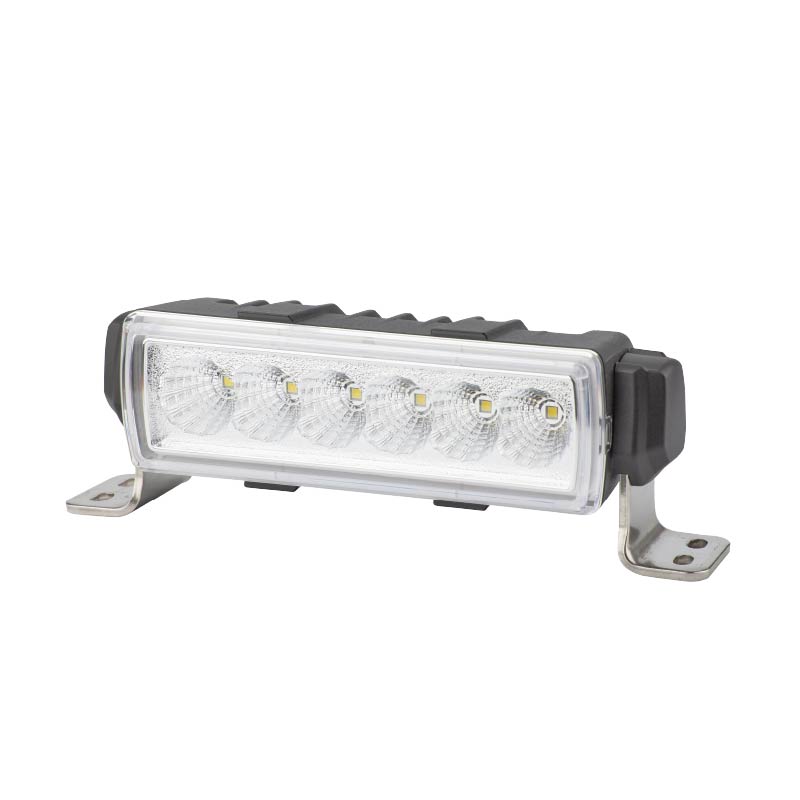
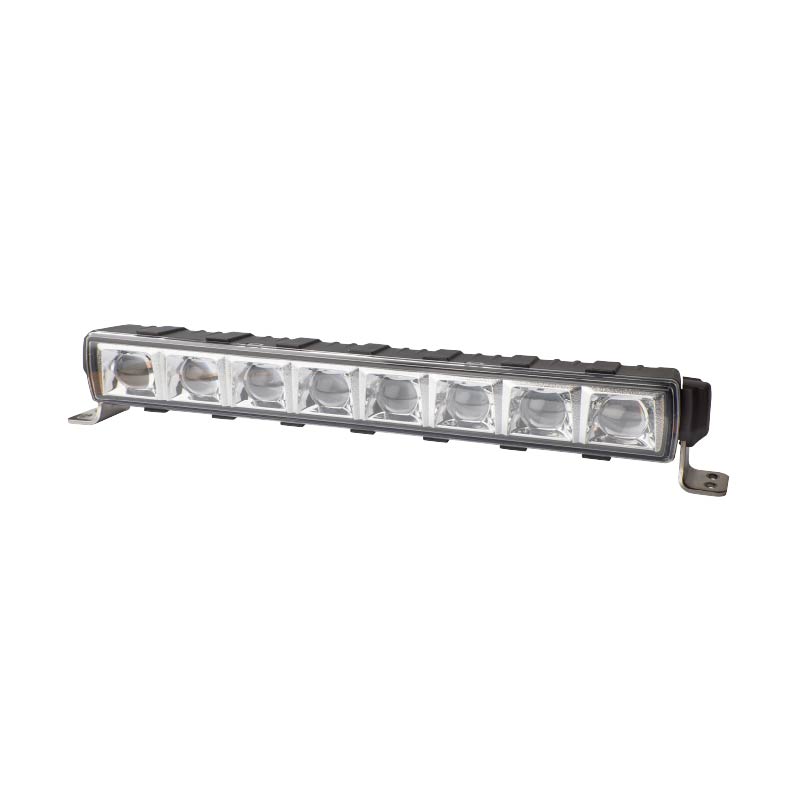
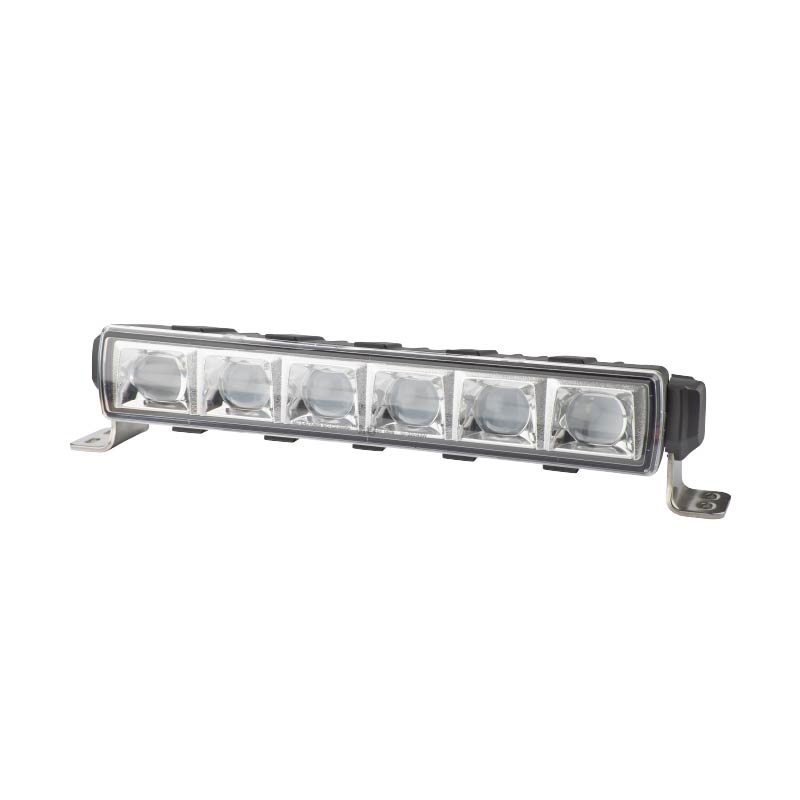
Why off-road lighting is important
Off-road driving involves navigating rough, uneven, or muddy and slippery terrain, combined with low-visibility conditions such as mud, dust, and heavy rain, making lighting a critical factor that affects safety and driving judgment.
High-quality off-road lighting not only enhances visual comfort but is also directly tied to driving safety, visibility, and vehicle control. With effective beam output, off-road lighting can significantly improve visibility, helping drivers quickly assess road conditions in harsh and complex environments and avoid potential hazards such as rocks, potholes, branches, and animals.
This reduces the risk of accidents. In addition, lighting systems designed for harsh environments offer penetrating beam, maintaining stable illumination in extreme conditions such as dense fog, dust, and heavy rain. Overall, premium off-road lighting greatly enhances visibility, prevents unexpected dangers, and ensures safe driving even in the most challenging terrains and environments.
How to choose the right off-road lighting?
Selecting the right off-road lighting is crucial for safety, visibility, and durability during night drives. Below are the key points to consider when selecting off-road lighting:
1. Lighting Purpose
Driving/SpotLight: Provides longer illumination distance and is suitable for long-range road lighting.
FloodLight: Offers wide and close-range illumination, ideal for lighting up surrounding terrain.
2. Brightness and Lumens
Lumens: Brightness is measured in lumens; the higher the lumen value, the better the light performance. For example, the C2-3026B LED driving light with position light (high beam) delivers up to 10,450 lumens, providing ideal illumination even on the darkest trails.
Candela: Represents beam intensity and affects the lighting distance.
3.Energy Efficiency:
LED lights consume less power than halogen lights, helping reduce fuel consumption and ensuring longer battery endurance during off-road driving.
4. Enhanced Durability and Shock Resistance:
Off-road conditions are harsh, with lighting equipment often exposed to dust, splashes, and vibrations. Therefore, off-road lighting must be more robust and durable. Choose lights with dustproof, waterproof, and shock-resistant features to handle rain, mud, water crossings, and intense vibrations.
5.Electrical System Compatibility
Ensure the light is compatible with 12V / 24V systems.
Prioritize products with low power consumption and overheat protection.
Which types of vehicles are applicable?
Off-road lighting serves a wide range of purposes and can be installed on various types of vehicles, including:
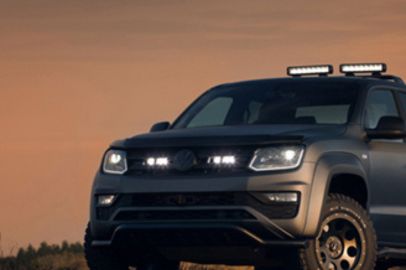
1. SUVs and Off-Road Pickup Trucks:
Suitable for mountain exploration, off-road camping, and nighttime driving.
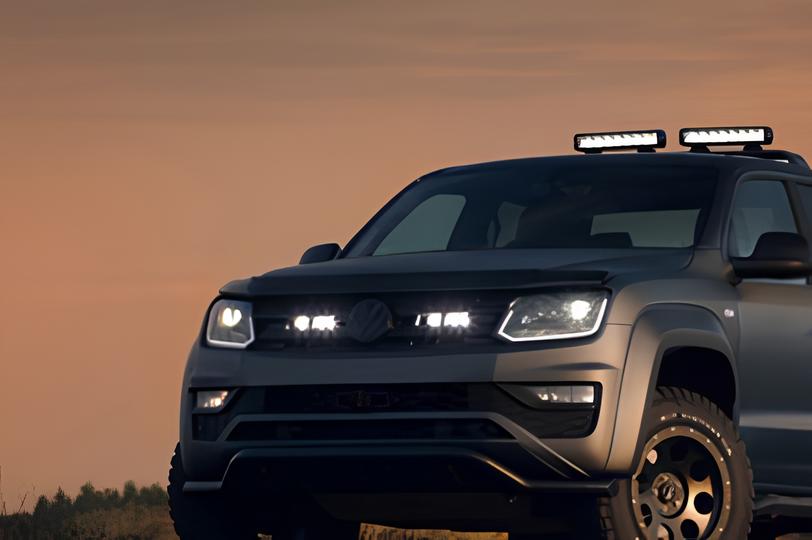
Common setups: roof light bars, bumper auxiliary lights, and side work lights.
2. ATVs / UTVs (All-Terrain Vehicles / Utility Terrain Vehicles):
Used in rocky terrain, deserts, beaches, and muddy environments.
Recommended: C2-3028A2 LED Driving Light Bars
3. 4×4 Vehicles:
Commonly used for rock crawling, desert off-roading, or forest trails.
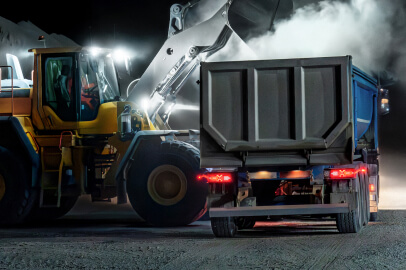
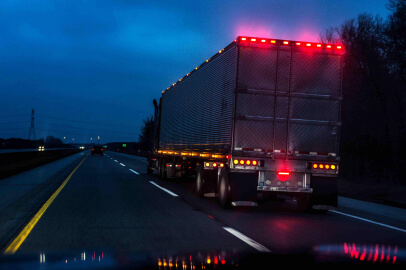
4. Heavy-Duty Trucks:
Often used for long-distance transportation and logistics operations.
Recommended: C2-3026 Series, C2-3028A2
Off-road lighting comparison: spotlights vs. floodlights – which is better?
Off-road driving often involves unpredictable terrain, including muddy trails, rocky sections, forests, and foggy conditions. In such environments, lighting is not only about visibility but also an essential element of safety. Choosing between spotlights and floodlights directly affects the driver’s ability to detect obstacles, judge distance, and navigate at night.
Spotlights are designed with a narrow beam and long-range projection, concentrating light far ahead. They are ideal for high-speed off-roading, desert routes, or situations that require detecting distant obstacles.
Key features include:
Long-distance visibility:
The beam can reach several hundred meters.
High beam intensity (candela):
Obstacles are clearly visible.
Ideal for:
Open roads, desert off-roading, and fast forest trails.
Spotlights are highly effective when long-distance observation is needed, helping drivers anticipate road conditions and avoid rocks or wildlife.
Floodlights provide a wide and even beam pattern that illuminates a larger area around the vehicle, making them suitable for technical off-roading, rock crawling, or forest trails.
Key features include:
Wide illumination coverage:
Lights up obstacles surrounding the vehicle.
Medium to short-range brightness:
Ideal for low-speed or technical terrain.
Ideal for:
Forest trails, rocky terrain, and campsite activities.
Floodlights enhance overall environmental awareness, keeping drivers safer in complex terrain and providing convenience for nighttime camp use.
Technical features of off-road lighting
LED driving light technology represents a major upgrade in automotive lighting, delivering high performance and high-efficiency illumination. Unlike traditional halogen lights, LED driving lights offer higher energy efficiency, longer lifespan, and instant activation, making them an ideal choice for nighttime driving and off-road adventures.
Modern driving lights equipped with advanced LEDs provide several key advantages:
- LED driving lamps deliver powerful light output, significantly improving nighttime visibility.
- LEDs produce higher illumination while consuming less energy, reducing the load on the vehicle’s electrical system.
- High-quality LEDs have a lifespan of over 30,000 hours—lasting several years longer than halogen bulbs.
- LEDs operate reliably and stably in both extremely low and extremely high temperatures.
Off-road lighting FAQ
Q1: What IP rating is best for off-road driving?
A: IP67 or IP68 is recommended for off-road vehicles because these ratings protect against dust, mud, and both temporary and prolonged water immersion.
Q2: Are LED work lights more energy-efficient than halogen lights?
A: Yes. LEDs are more energy-efficient than halogen lights, which helps save fuel. They also have a much longer lifespan, reducing the need for frequent replacements and lowering maintenance frequency.
Q3: What is the ideal lighting distance for off-road lights?
A: Generally, the farther the lighting distance, the better. A longer beam allows drivers to react to road conditions earlier and avoid collisions.
Q4: Can off-road lights withstand extreme environments?
A: Yes. High-quality off-road lights are built with durable, shock-resistant structures and feature dustproof and waterproof protection. They are designed to withstand harsh conditions such as water, mud, dust, vibration, and extreme temperature changes, ensuring reliable performance during demanding off-road adventures.
Q5: How often should I maintain my off-road lights?
A: After each off-road trip, clean and inspect all components to ensure seals and connectors remain intact.
Choosing high-quality lights like those from SCI not only enhances nighttime visibility but also ensures reliable all-weather performance in mud, rain, and rough terrain—keeping your path bright, clear, and safe no matter where the road leads.
👉 Ready to upgrade your Off-Road Lighting?
Contact our team today for expert guidance and tailored lighting solutions for your next project.