





Automotive Fog Lights: When to Use and Why They Matter?

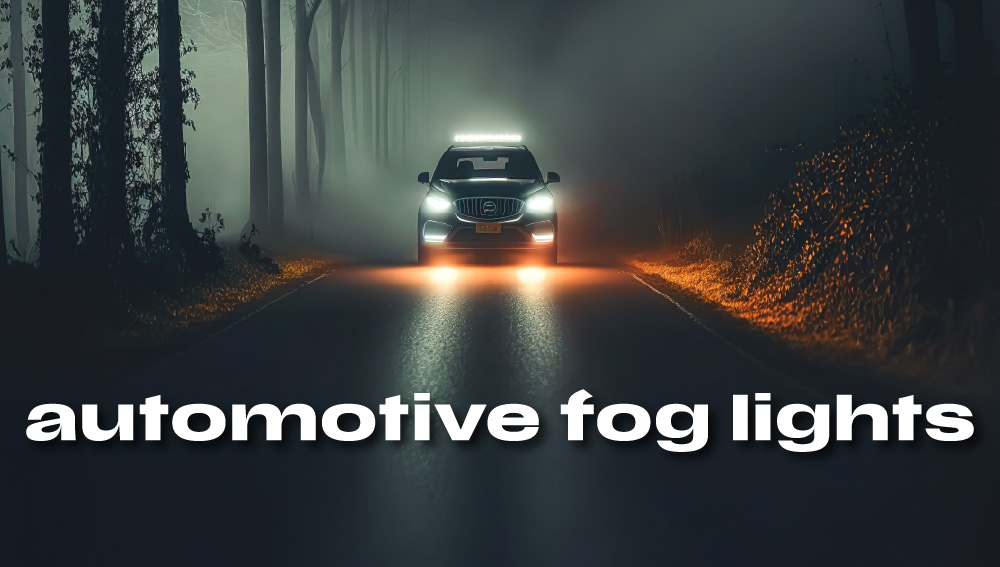
Driving in fog, heavy rain, or snow becomes far more hazardous once visibility starts to fade. Unlike regular headlights—which often reflect off moisture and create glare—automotive fog lights sit low on the vehicle and cast a wide, close-to-the-ground beam designed to cut underneath dense fog. This guide walks you through how fog lights work, where they should be installed, and how they help you stay safer when the weather turns unpredictable.
Automotive Fog Lights Overview
Automotive fog lights are purpose-built lighting units designed to improve visibility during rainy and foggy weather—whether it’s fog, heavy rain, snowfall, or dusty conditions.
Front Fog Lights
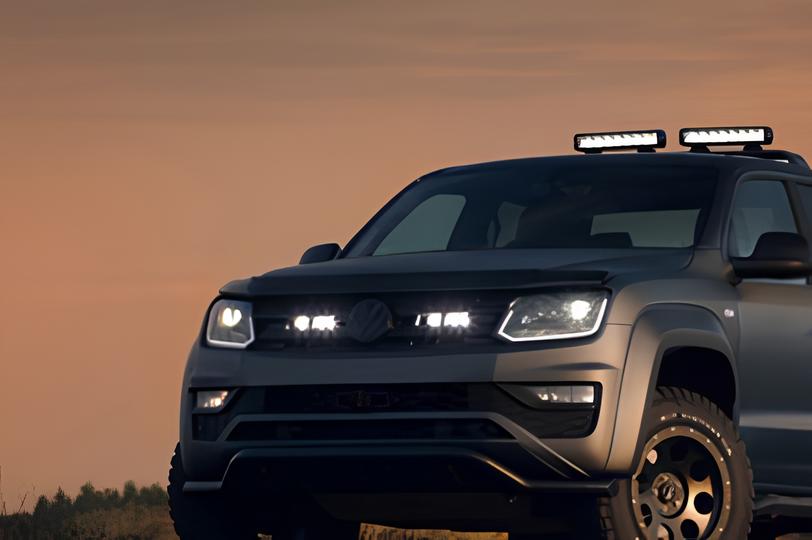
Front fog lights are mounted low on the front bumper so the beam can travel beneath the fog layer. Some use yellow light, which enhances penetration through dense fog and heavy snow. They’re optional equipment on many passenger cars.
Safety Importance
Fog lights should only be used when visibility drops below roughly 100 metres. Using them in clear weather isn’t just unnecessary—it can dazzle oncoming drivers.
Further Reading: The 11 Kinds of Car Lights You Should Know: Functions & Tips in One Guide
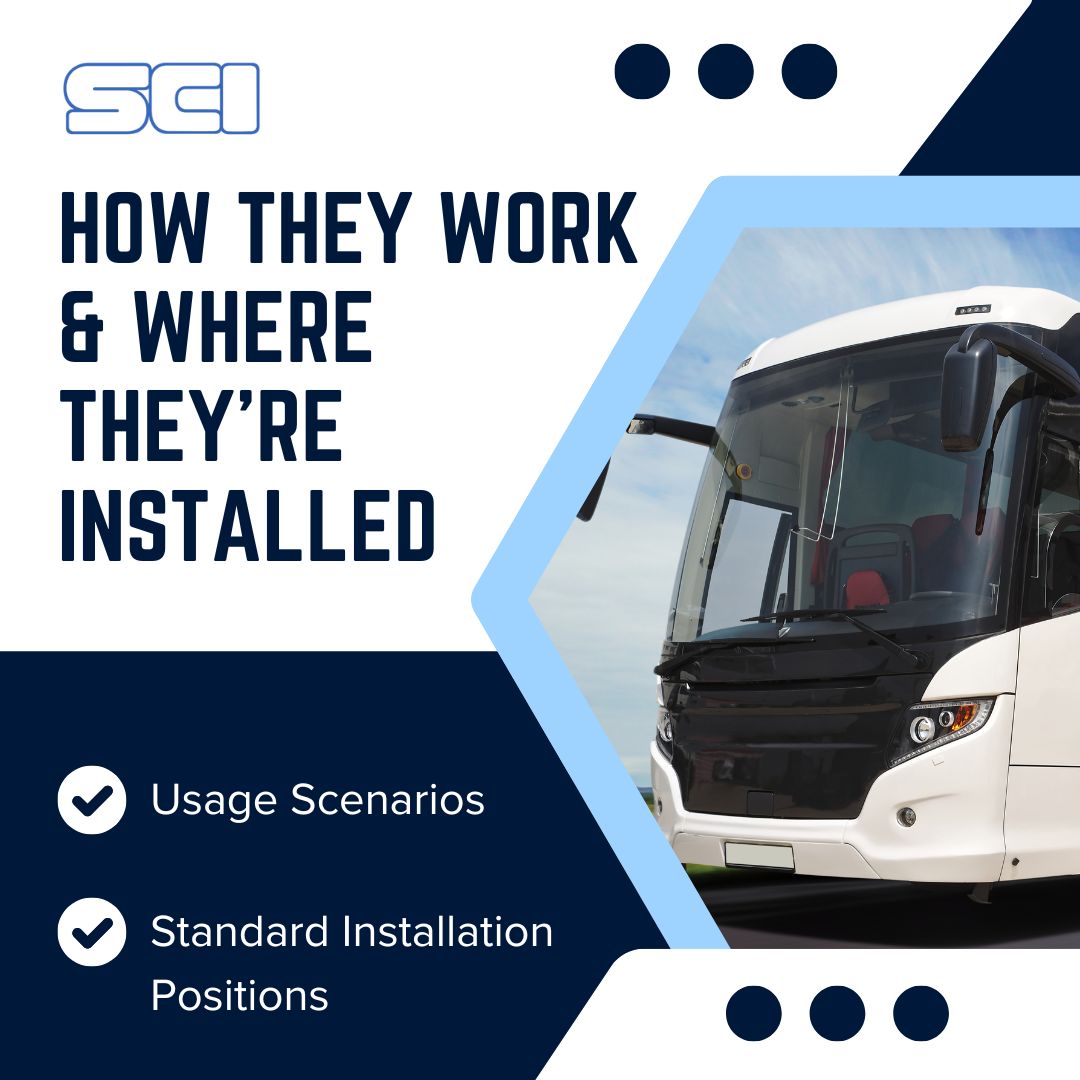
How They Work & Where They’re Installed
Fog lights follow a simple but effective principle: they’re installed low and angled toward the road so the beam travels underneath the fog rather than directly into it.
Usage Scenarios
Fog lights are intended strictly for low-visibility conditions—dense fog, heavy rain, snow, or dusty environments. In these scenarios, they help illuminate the foreground area of the road and make your vehicle more visible to others.
Using fog lights in clear weather can be dangerous, as the intense beam can dazzle other drivers.
Further Reading: A Guide to Understanding the Beam Angle of LED Lights
Standard Installation Positions
Front Bumper
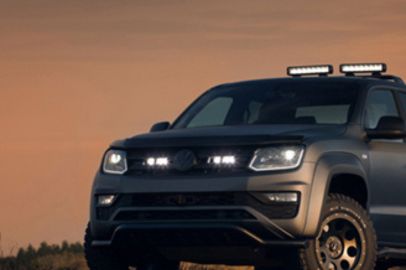
Front fog lights sit low on the front bumper—usually beneath the headlights and as close to the ground as practical. This placement allows the beam to slip under the fog layer and light the immediate road surface.
LED Fog Lights Leadership: SCI
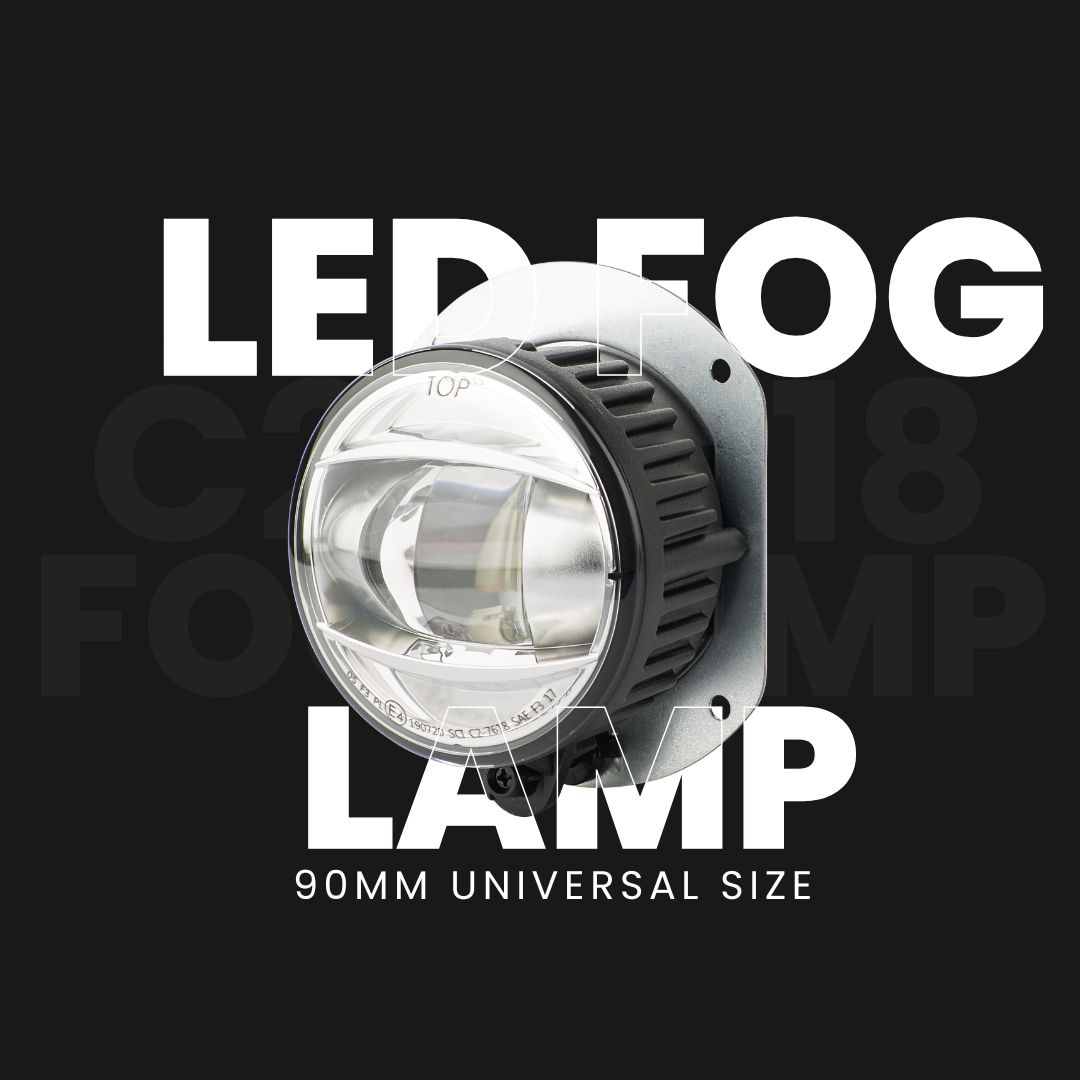
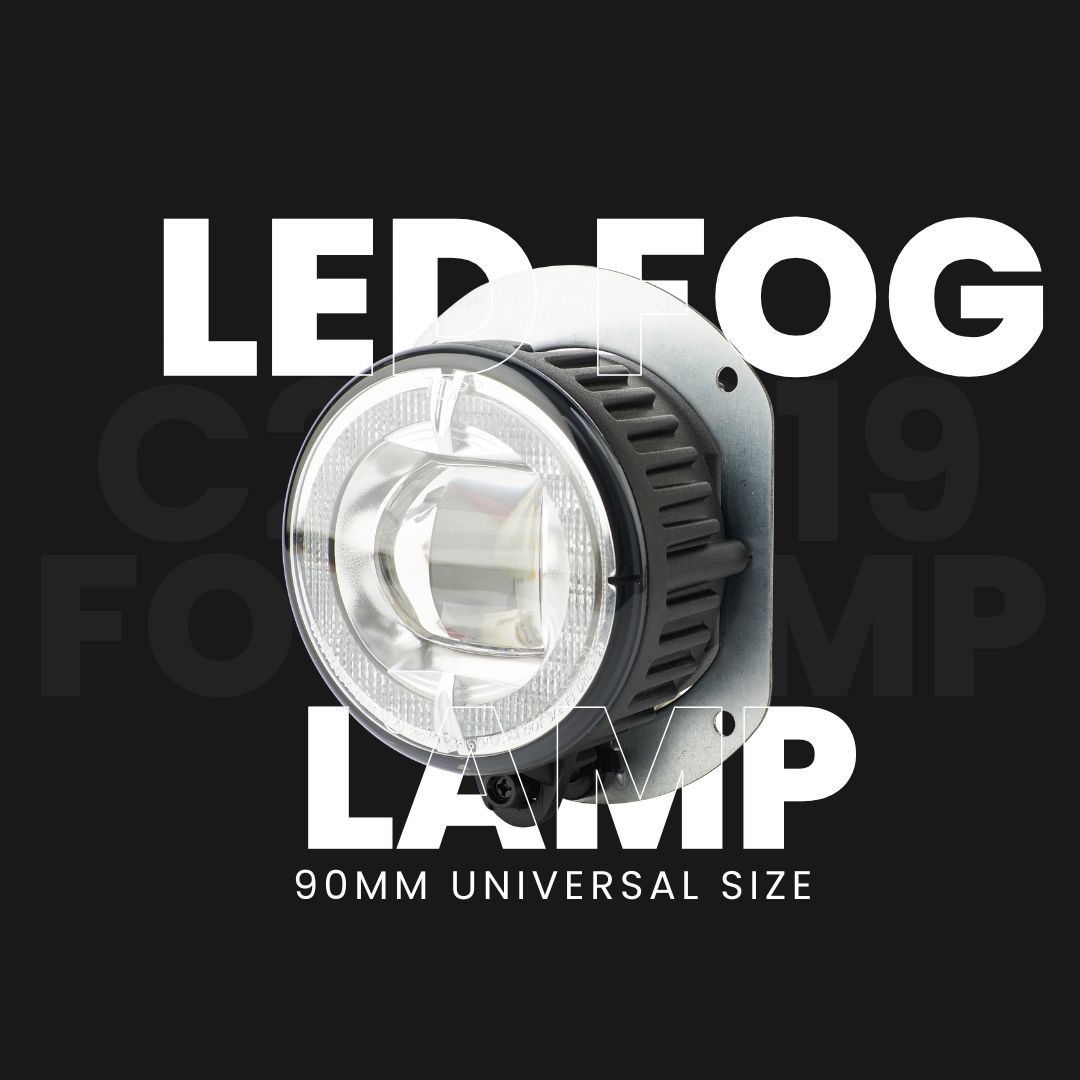
SCI is known for its reliable LED technology, low power consumption, long service life, and precise beam patterns. Many models support multi-functions, such as DRL and position lights, and meet strict global safety and durability standards.
Here’s a quick comparison of featured SCI LED fog lamp models.
| Product ID | Product Mode | Position | Voltage | IP Rating | Certifications | Applications |
| C2-7618 | 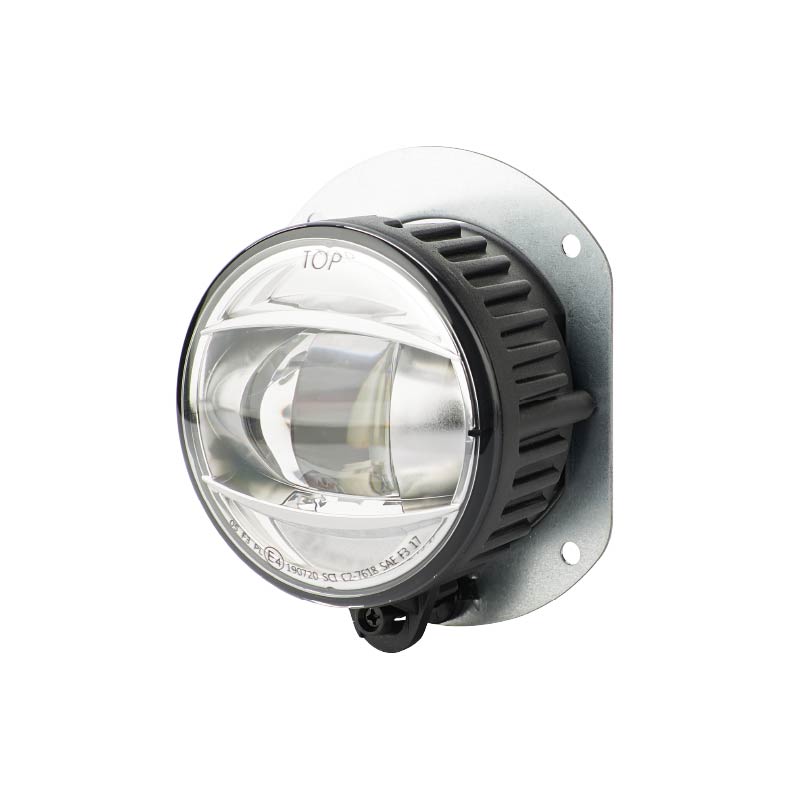 | Front | 9–33V | IP68 / IP69 | ECE R19, ECE R10, SAE J583(F) | Buses, RVs, Trucks |
| C2-7619 | 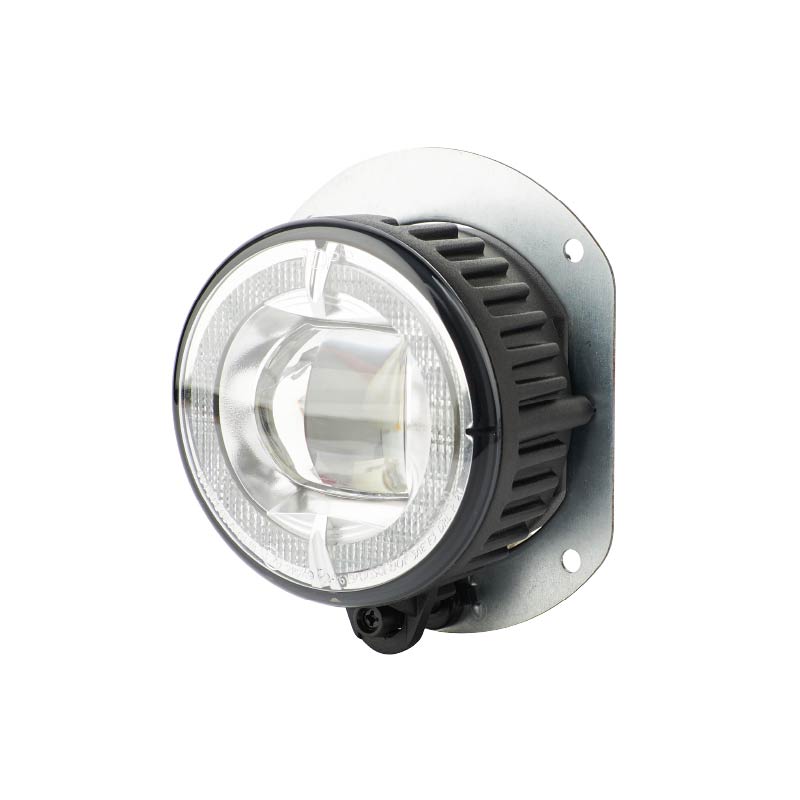 | Front + DRL/Position | 9–33V | IP68 / IP69 | ECE R10/R19/R87/R7 SAE J583(F) FMVSS108 | Buses, RVs, Trucks |
If you’re looking for dependable automotive fog lights for commercial vehicles, buses, or RVs, SCI offers proven performance backed by global certifications and decades of manufacturing expertise.
Contact our team to learn more about product compatibility, installation options, or customized solutions for your fleet.
Further Reading: COB LED VS SMD LED Portable Work Lights: 8 Main Differences
FAQs
Q1. Do all cars have fog lights?
No. Fog lights are common on commercial vehicles, RVs, and trucks, but not all passenger cars—especially entry-level models—come equipped with them.
Q2. How do I choose the right fog light?
The right fog light depends on your vehicle type and typical driving conditions. Front fog lights help you see better in fog or rain, while rear fog lights make your vehicle more visible to others when visibility is poor.
Beyond deciding between front and rear fog lights, you should also check the original mounting type, housing shape, and available installation space of your vehicle. These specifications differ significantly between models, so consulting your owner’s manual or checking the markings on the factory fog lamp assembly is the best way to ensure compatibility.
Q3. What standards should fog lights comply with?
Front fog lights should meet ECE R149 or R19 requirements. These standards ensure the lights meet legal and safety regulations across most regions.
Further Reading:
3 Uses of Forklift Truck Blue Lights That Make Workplaces Safer
5 Types of Boat Lights at Night and How They Keep You Safe
What is CCT in Lighting and How to Choose the Right One?