








Campervan Interior Lighting Guide for Brightening Your Van Life

1.Campervan Interior Lighting Introduction
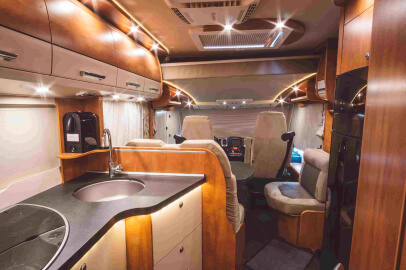
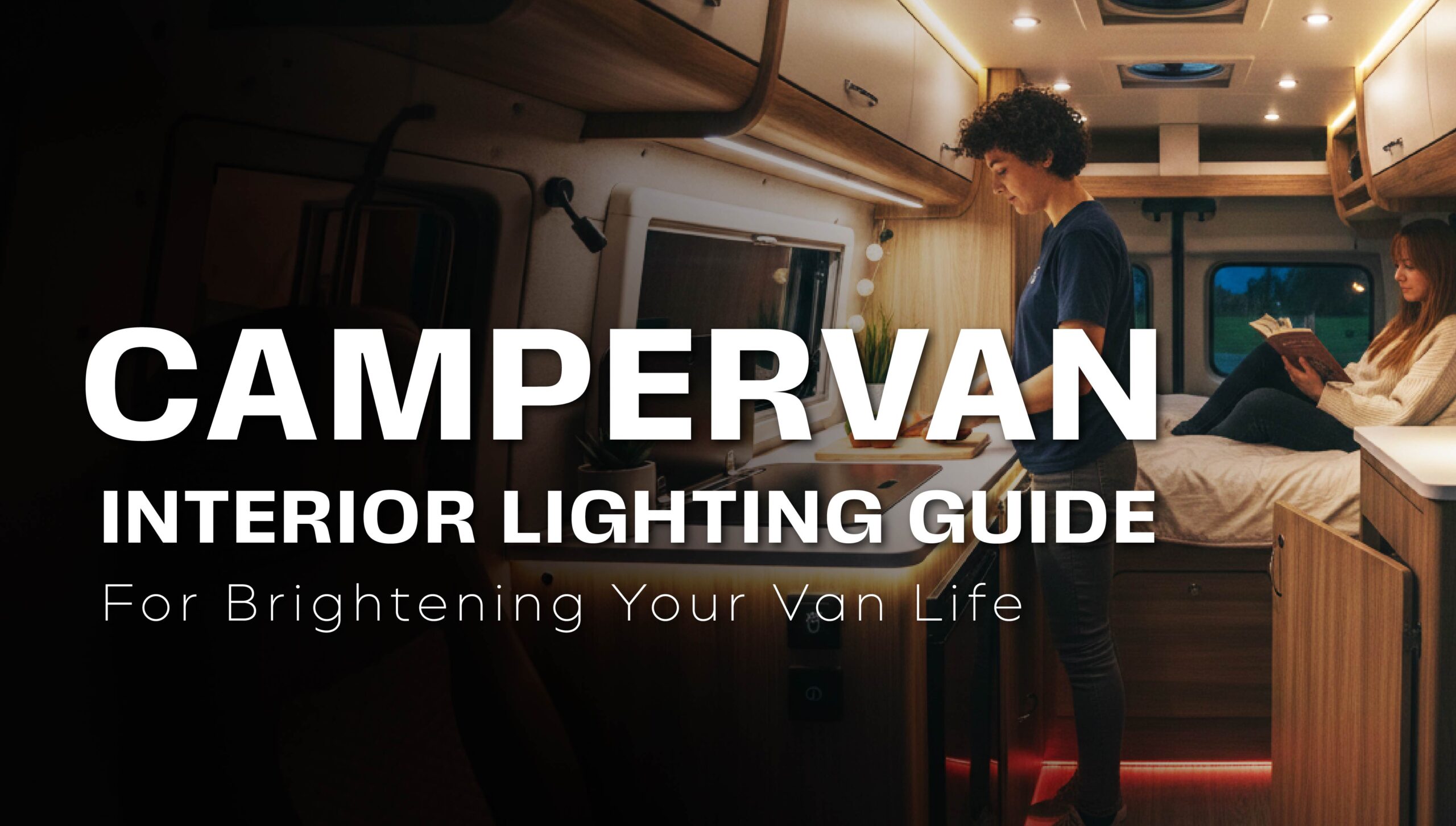
Campervan interior lighting is a fundamental element of comfortable and functional van life. It is not only about brightness, but about how smoothly daily activities flow, how spacious the interior feels, and how welcoming the living environment becomes.From cooking and working to relaxing and sleeping, well-designed campervan interior lighting ensures that the living space remains safe, practical, and comfortable—anytime and anywhere across the journey.
2. Interior Lighting: The Foundation of Campervan Interior Lighting Design
Interior lighting forms the backbone of any campervan interior lighting system. It directly influences usability, visual comfort, and the overall living quality inside the vehicle.When planning campervan interior lighting for European campervans or motorhome conversions, lighting is typically organised into three functional layers to suit real-life usage:
2-1 General Lighting
- Provides overall illumination for the entire interior
- Commonly installed on ceilings or central interior zones
- Should deliver even, glare-free LED lighting to avoid shadows and dark corners
2-2 Task Lighting
- Supports specific activities such as cooking, reading, working, or storage access
- Typical applications include reading lamps, under-cabinet lighting, and directional lights
- Focuses illumination only where it is needed, rather than lighting the whole vehicle
2-3 Accent Lighting
- Enhances interior depth and overall comfort
- Commonly installed along bed edges, floor lines, or beneath furniture
- Uses soft, indirect light to create a calm and homelike atmosphere
Related product example :
Through this type of interior lighting configuration, users can upgrade and adapt their lighting according to the needs of different spaces. It is especially well suited for campervan living and extended stays.
3. Creating Comfort and Atmosphere with Campervan Interior Lighting
Beyond basic functionality, campervan interior lighting also has a significant impact on users’ mood and psychological comfort. Many campervan users note that by properly combining reading lights with general lighting, they can easily switch between work and relaxation modes, allowing the interior space to feel more in tune with everyday living.
In terms of color temperature selection, Neutral white light around 4000K is commonly used in everyday activity areas such as dining, storage, and light tasks, providing clear illumination without causing glare. In situations that require greater focus, some users prefer cool white light around 5700K for reading lights or localized task lighting, improving visibility of text and fine details.
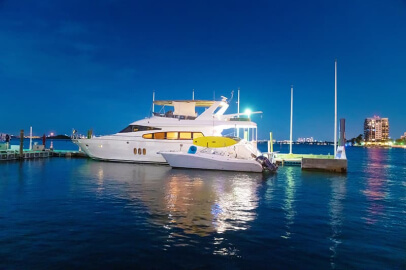
Even, glare-free interior lighting helps prevent harsh contrasts between light and shadow, making compact campervan or marine cabin interiors feel more relaxed and spacious. This approach allows the interior to resemble a true living environment rather than just a temporary mode of transport.
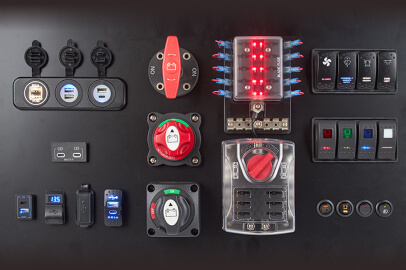
In addition, for campervans that operate for long periods and rely on multiple electronic systems, lighting products that comply with ECE R10 electromagnetic compatibility requirements and marine-related standards such as EN 60945 help ensure stable performance without interfering with onboard equipment. This provides users with an added sense of reliability and peace of mind, alongside comfort.
Related product example :
ECE R10 – UN/ECE Regulation No.10 for vehicle electromagnetic compatibility (EMC) approval requirements.
IEC 60945 / EN 60945 – Marine standard for EMC, safety, and environmental tests for navigation/radiocommunication equipment.
4.Energy Efficiency in Campervan Interior Lighting
In campervan living, improving energy efficiency and extending battery life is a key concern. Many campervan users point out that during multi-day off-grid trips, when power cannot be easily replenished, the energy efficiency of interior lighting directly affects their overall sense of comfort and confidence.
LED interior lights designed for 12V or 24V systems can significantly reduce power consumption while still providing sufficient brightness. This means that even during long evenings of lighting use, there is less need to worry about draining the battery too quickly, allowing daily life inside the campervan to feel more relaxed and manageable.
Based on user feedback, the most noticeable energy-saving design features include:
- Low-wattage LED light sources, which reduce power consumption without sacrificing brightness
- Zoned lighting control, allowing users to switch on only the areas that are actually in use
- Dimmers and independent switches, making it easy to adjust brightness according to time of day and activity
Common Campervan Interior Lighting Mistakes That Waste Battery Power
At the same time, many users have shared several common—but often overlooked—mistakes that can lead to unnecessary power consumption, especially during the early stages of campervan use, such as:
- Leaving all interior lights on for long periods, even when only one area is being used
- Using lights at maximum brightness at night while ignoring dimming functions
- Forgetting to turn off non-essential interior or accent lights
- Running interior lighting at the same time as other high-power appliances and underestimating total energy usage
Avoiding these habits, together with efficient campervan interior lighting design, helps extend battery life and supports more comfortable and reliable off-grid travel.
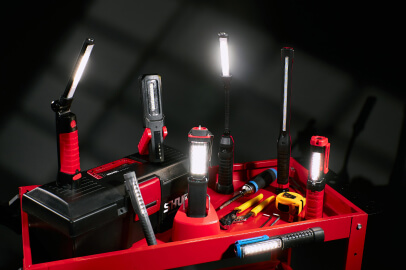
Recommended interior lighting examples:
5. Extending Campervan Interior Lighting with Exterior Support
User Experience Summary
Based on feedback from European and U.S. off-grid campervan users, nighttime conditions in remote camping areas are often much darker than expected. Tasks such as setting up awnings, preparing outdoor cooking areas, or organising equipment beside the vehicle become challenging without adequate exterior illumination.
For this reason, many campervan owners choose to install exterior side lighting to create a practical lighting zone around the vehicle. These lights improve visibility, reduce safety risks, and significantly enhance nighttime outdoor usability.
While campervan interior lighting remains the primary focus, exterior lighting is widely regarded as a natural extension—especially at entry points. Courtesy lamps installed near doors or steps provide clear guidance when entering or exiting the campervan after dark.
As transitional lighting, courtesy lamps deliver sufficient illumination without disturbing the interior atmosphere, allowing interior comfort and outdoor practicality to work together seamlessly.
6. Conclusion: Interior Lighting First, Designed for Real European Van Life
Campervan interior lighting is essential to creating a comfortable, practical, and enjoyable van life. By prioritising interior lighting and thoughtfully extending it with exterior support where needed, campervan owners and conversion specialists can build lighting systems that feel natural, energy-efficient, and well suited to real European travel conditions.
7. Frequently Asked Questions – Campervan Interior Lighting (FAQ)
Q1: What is the best campervan interior lighting setup?
A layered combination of general lighting, task lighting, and accent lighting offers the best balance of comfort, usability, and energy efficiency.
Q2: What voltage is used for campervan interior lighting in Europe?
Most European campervans use 12V or 24V DC lighting systems compatible with leisure batteries and solar setups.
Q3: What colour temperature is recommended for campervan interior lighting?
4000K is widely used for general living areas, while around 5700K is preferred for reading lights or task lighting requiring higher focus.
Q4: Are LED lights suitable for off-grid campervan travel?
Yes. LED lights are energy-efficient, long-lasting, and ideal for off-grid campervan use.
Q5: Do campervan interior lights need to meet EU standards?
Interior lights compliant with ECE R10 and EN 60945 help ensure EMC stability and safe operation in campervan applications.
Q6: What is a campervan courtesy light used for?
Courtesy lights provide soft illumination at doors or steps, acting as transitional lighting between exterior and interior spaces.
Q7: How can campervan interior lighting help save battery power?
Using low-wattage LEDs, zoned control, dimmers, and switching on only necessary lights significantly reduces battery consumption.
Q8: Why are exterior side lights important for campervans with awnings?
Exterior side lights are especially useful when using an awning because they illuminate the area around the campervan at night. This makes it easier to set up the awning, arrange outdoor seating, and prepare food safely. Side lighting improves visibility, reduces trip hazards, and works as a natural extension of campervan interior lighting around entry points.
Further Reading :
LED Interior Van Lights: The Best High-Brightness Lighting Solution for Vans and Work Vehicles
COB LED VS SMD LED Portable Work Lights: 8 Main Differences