











What Is Fast Charging? How It Works & Top FAQs Answered!

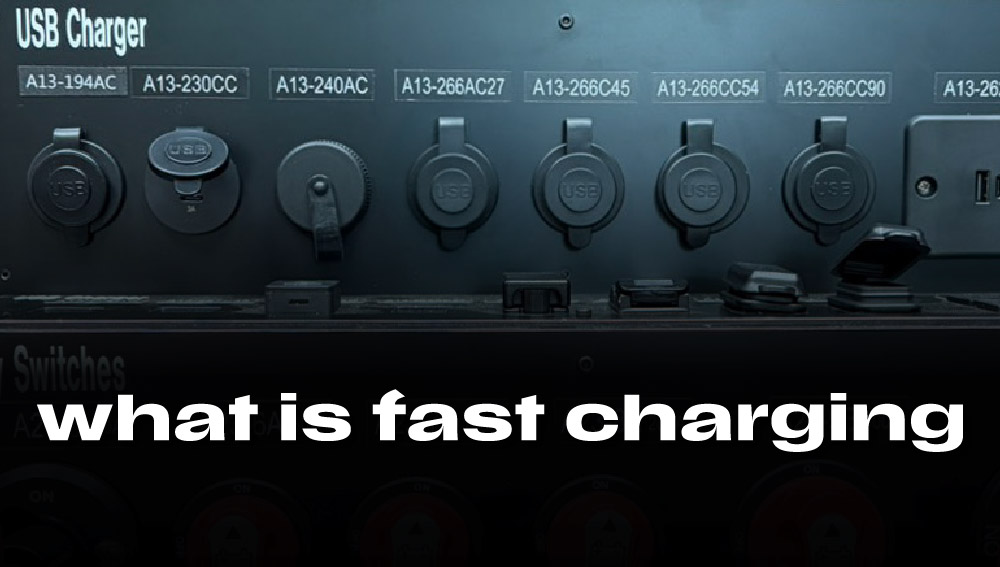
1. What Is Fast Charging? Why Is It So Important?
While driving, using navigation, Bluetooth calls, music streaming, and real-time messaging at the same time can quickly drain a mobile device’s battery. In long-distance driving or commercial vehicle scenarios, slow charging is often more frustrating than having no charging at all.
That’s where Fast Charging comes in.
Fast charging refers to a charging method that significantly reduces charging time by increasing power output under strict safety control. Compared with traditional 5V low-power charging, fast charging technology delivers higher power more efficiently in a shorter period of time—making it far better suited for modern in-car and mobile lifestyles.

2.How Fast Charging Works
To fully answer what is fast charging, we must look at the physics. Fast charging is not simply about “pushing more power.” It is based on intelligent power negotiation and precise power management.
Charging power (W) is determined by voltage (V) × current (A). Fast charging technologies accelerate charging by increasing voltage or current within the limits supported by the device.
Taking USB Power Delivery (USB PD)—currently the most widely adopted fast charging standard—as an example:
- The charger and device first perform power negotiation after connection
- Voltage and current are adjusted based on device requirements (e.g. 9V, 12V, 15V)
- As the battery approaches full charge, power output is automatically reduced to prevent battery stress
This design ensures that fast charging improves speed without compromising device safety or battery lifespan.
3.Why Fast Charging Matters in Cars
Compared to home charging environments, in-vehicle charging conditions are far more complex and unpredictable.
Realities of Automotive Power Systems
- Most vehicles operate on 12V or 24V systems
- Voltage fluctuates during engine start, acceleration, and idling
- The cigarette lighter socket is still the primary power source
Because of this, a truly suitable car fast charging solution must offer:
- Stable voltage regulation for consistent power conversion
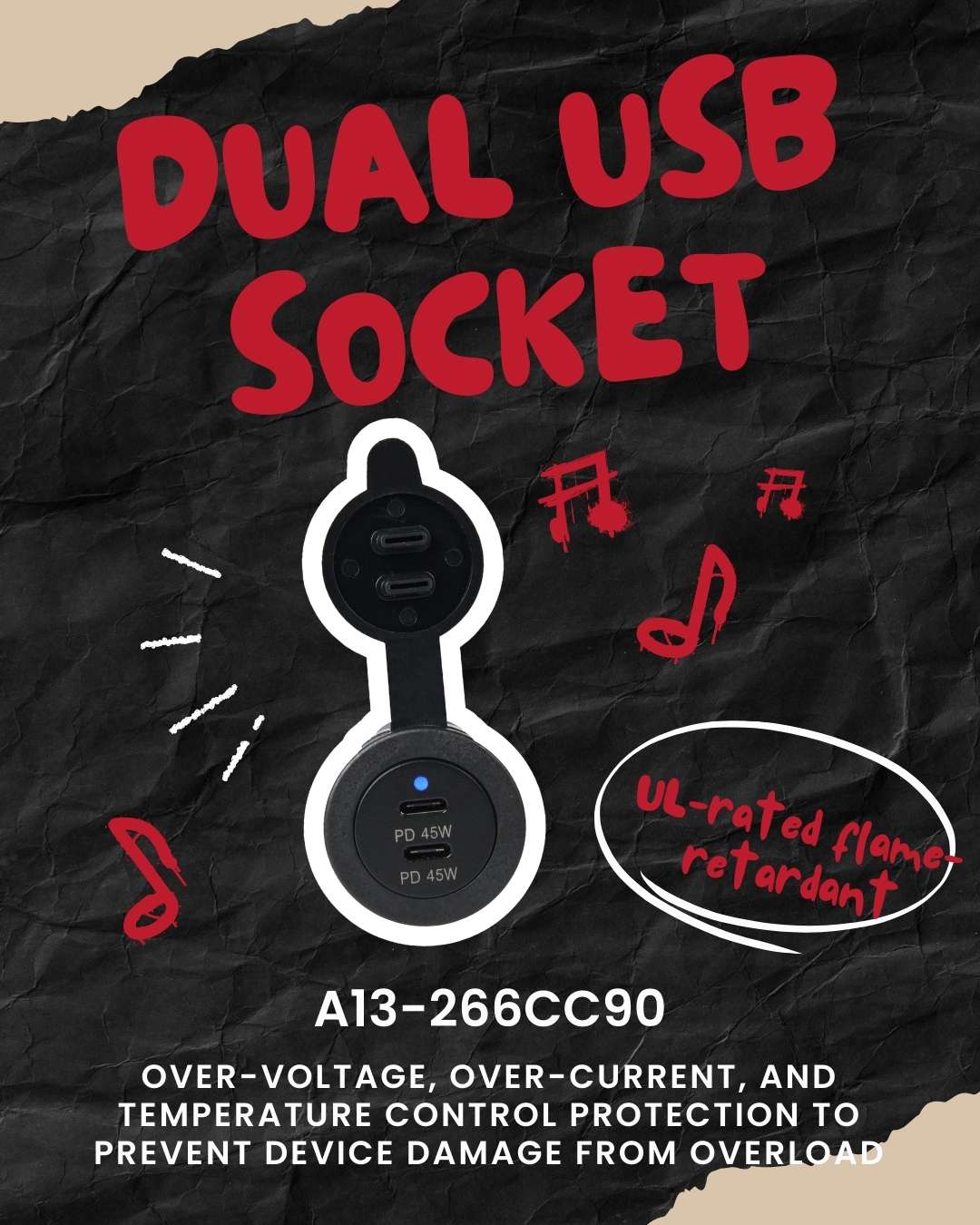
- Comprehensive safety protection, including over-voltage, over-current, and over-temperature protection
- UL Certified: Features automotive-grade reliability to endure long-term driving vibration and extreme heat
Under these conditions, car USB PD fast charging provides stable, reliable, and efficient power delivery.
Whether using navigation, making calls, recording driving footage, or working on the go, fast charging ensures devices stay powered without disrupting the driving experience.
4.USB PD Fast Charging: The Best Choice for Cars?
Among various fast charging technologies, USB-C Power Delivery (USB PD) has become the mainstream standard in the automotive market. USB PD is not limited to smartphones and tablets—it can also supply or charge other consumer electronics, such as business laptops.
Advantages of USB PD for Automotive Use
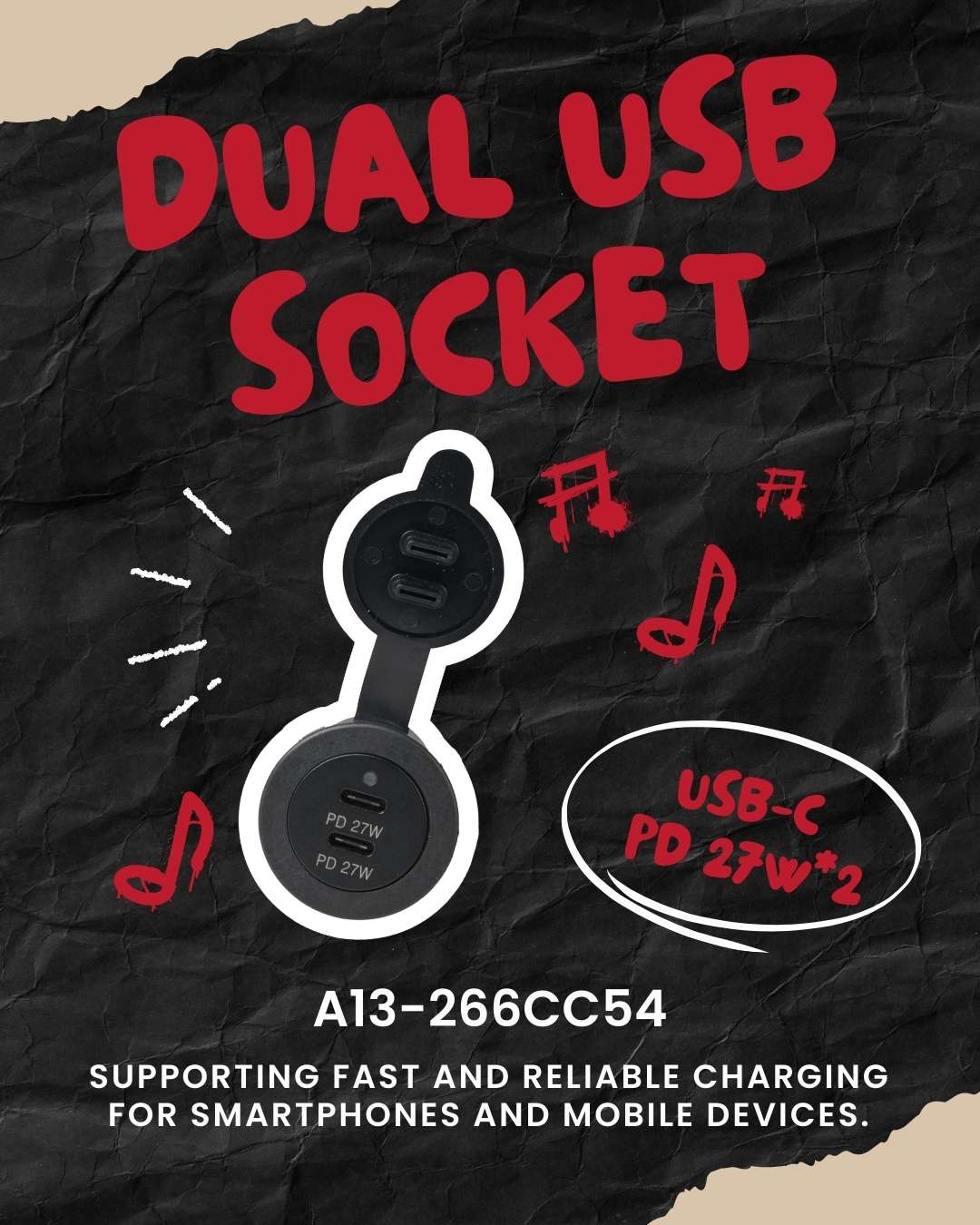
- Higher power output: Supports 18W, 27W, 45W, and beyond
- High compatibility: One interface supports smartphones, tablets, and ightweight business laptops
- Future-ready: Aligned with the EU’s USB-C standardization trend
What to Look for When Choosing a Car Fast Charger
- Vehicle voltage compatibility: Supports 12V / 24V systems
- Automotive-grade protection circuitry: Stable regulation and safety design
- Installation method: Cigarette lighter type or panel-mount type
- Heat-resistant and flame-retardant materials: For both housing and internal components
Fast Charging = Performance + Safety + Reliability.
Choosing a USB PD charger designed specifically for automotive use is essential to ensure charging performance and driving safety.
5.Top FAQs About Fast Charging
Q1: Does fast charging damage phones or batteries?
A: No.
When using compliant fast charging standards such as USB PD, the system automatically adjusts power based on battery status and slows charging at higher battery levels to maintain battery health.
Q2: Are all car USB chargers considered fast chargers?
A: Not necessarily.
Only chargers that support fast charging protocols (such as USB PD) and use compliant USB-C cables can achieve true fast charging.
Q3: What is the biggest difference between car fast charging and home fast charging?
Car fast charging must handle voltage fluctuations, unstable power supply, and high temperatures, which requires higher standards for voltage regulation and safety protection.
Q4: Why must car USB chargers have voltage regulation and protection mechanisms?
During vehicle startup or driving, sudden voltage spikes can affect device safety. Voltage regulation and over-current protection ensure stable charging and prevent device damage.
Q5: Is USB PD currently the best fast charging technology for automotive use?
A: Yes.
USB PD offers high power output, intelligent negotiation, and cross-device compatibility, making it the most widely adopted fast charging solution for vehicles today.
Fast charging is not just about speed—it is an integrated technology combining safety, efficiency, and compatibility.
In automotive environments, choosing a fast charging solution that supports USB PD and features automotive-grade design is essential to meet the demands of modern mobile lifestyles.
Ready to upgrade your in-car fast charging experience?
Whether for passenger vehicles, commercial fleets, or professional applications requiring extended driving time, a stable and safe USB-C PD car charger can significantly improve efficiency and user experience on the road.
Our USB-C PD car chargers are designed for 12V / 24V vehicle systems, featuring stable voltage regulation and multiple protection mechanisms, and comply with the safety and reliability requirements of European and North American automotive markets.
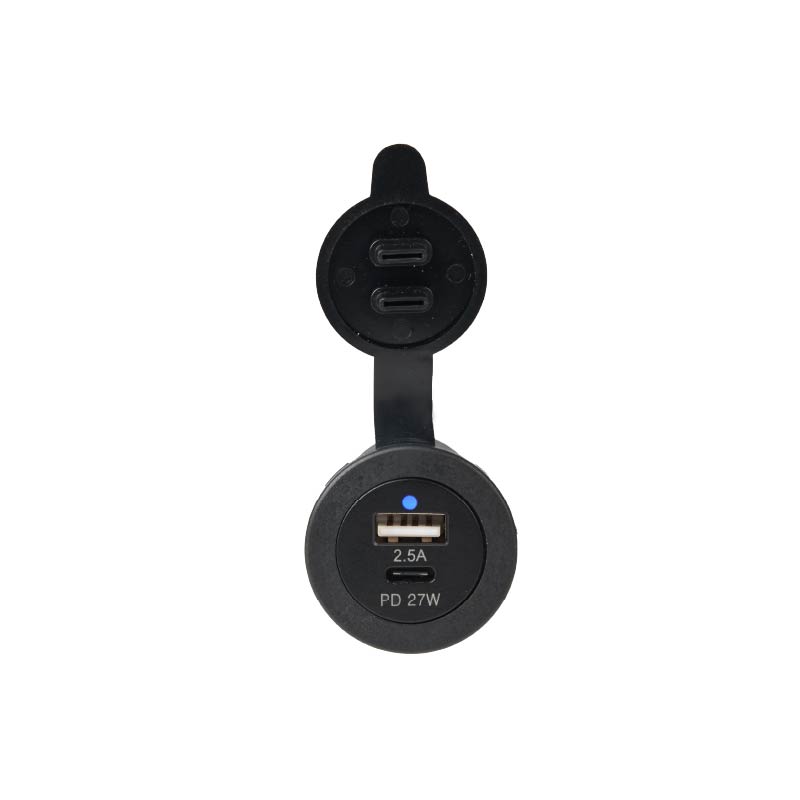
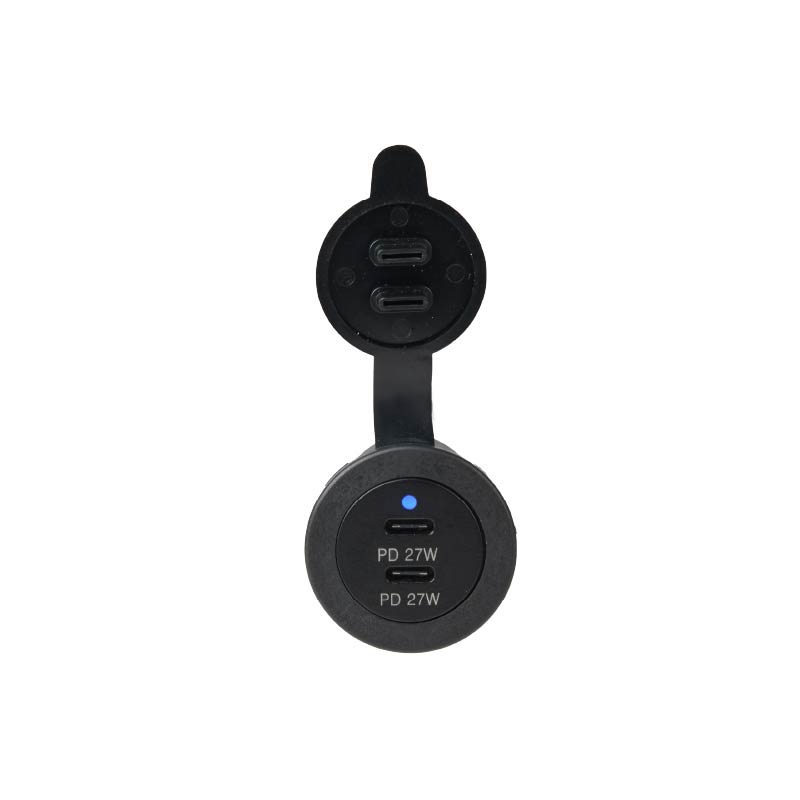
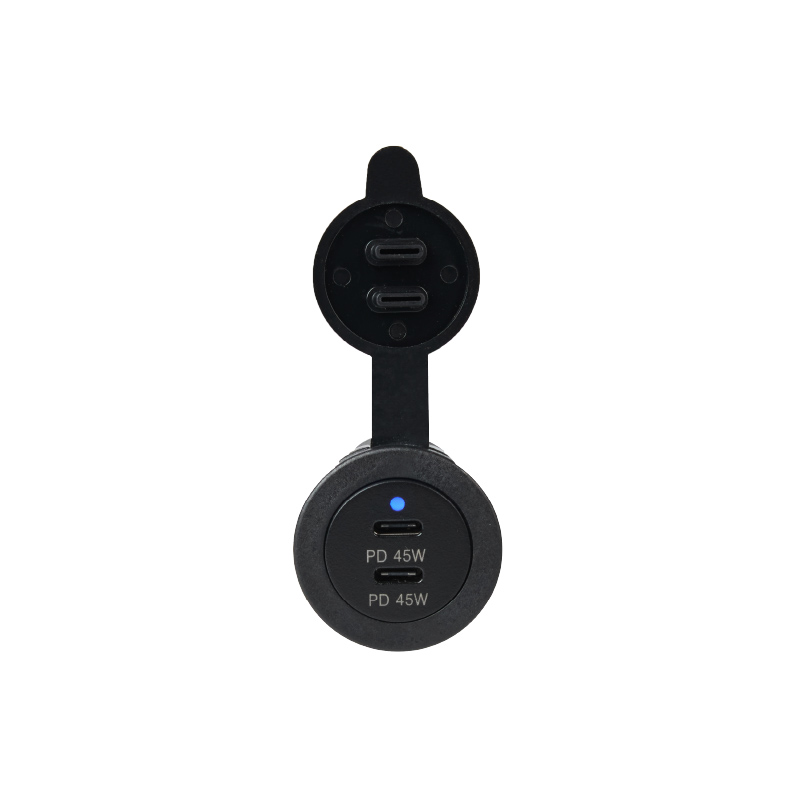
📩 Now that you have a comprehensive understanding of what is fast charging and its essential role in modern vehicles, are you looking for OEM / B2B projects or technical support?
Contact us today—our professional team is ready to help you find the most suitable car fast charging solution for your application.
Further Reading:
What Is UL Certification? Essential for Global Market Compliance
What Is a PD Charger? Benefits, Uses, and Compatibility Details for Car Use