






How to Choose the Best Agricultural Lights for Your Equipment?

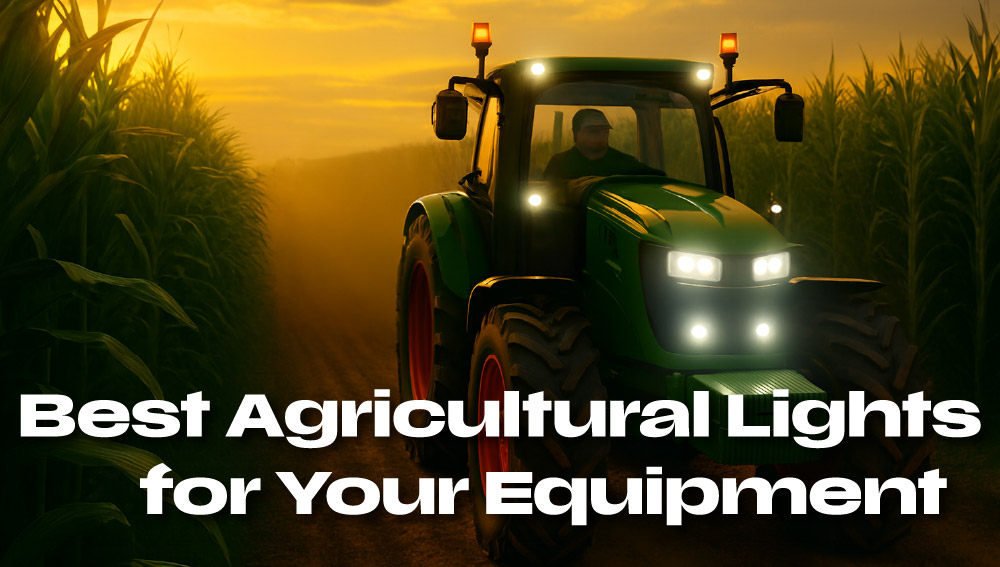
In agricultural operations, specifically under night-time or low-light conditions, having high-quality lighting is necessary. Ensuring high fixture reliability, lighting efficiency, and continuous equipment operation is paramount. This guide covers the critical points that matter when choosing agricultural lights, helping you select the most reliable options for your agricultural machinery.
1.The Importance of Agricultural Lights
Modern farming demands precision. When tractors or harvesters work long hours—often extending well past sunset—clear, reliable lighting is a must for both safety and productivity.
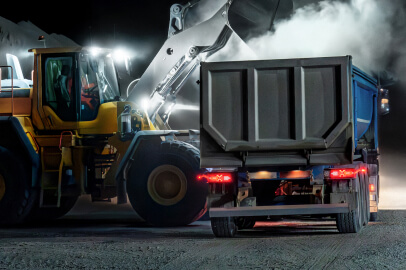
LED agricultural lights have become an indispensable assistant for heavy-duty equipment during nighttime operations. Unlike older halogen lamps, LEDs offer superior longevity, lower energy consumption that delivers significant energy savings, and reduced maintenance costs. The right LED work lights can operate safely in pitch-black conditions, effectively extending your operational window during peak harvest seasons.
Further Reading: Heavy Duty Work Lights: High-Intensity LED for Site Safety
2.Key Considerations Before Purchasing Agricultural Lights
Before selecting agricultural lights, you should look beyond price alone. The three technical factors below directly impact performance and durability, and together determine overall light quality and value.
Light Color and CRI
Visibility isn’t just about brightness; it’s about clarity.
- Optimal Range (5000-5700K): This color temperature closely mimics natural daylight. Unlike the yellow tint of halogens or the harsh blue of cheap LEDs, this range helps operators see field details clearly while reducing eye strain during long shifts.
- High CRI (Color Rendering Index): A higher CRI means colors appear more accurate. This is crucial for distinguishing crops from weeds or assessing soil health accurately. High CRI lighting allows for faster, more confident decision-making in the field.
Further Reading: What is CCT in Lighting and How to Choose the Right One?
Durability
- Vibration Resistance: Farm machinery generates constant, high-frequency vibration. Premium agricultural lights feature advanced shock absorption systems to protect internal circuitry and mounting brackets.
- Thermal Management: Lights must operate reliably from -86°F to +149°F (-30°C to +85°C). Superior thermal management ensures the LEDs don’t overheat, preventing dimming and lumen depreciation during long-term use.
- Chemical Corrosion Resistance: Exposure to fertilizers, pesticides, and ammonia is inevitable. Look for housings and lenses built to withstand these corrosive agents.
- IP Ratings (IP68/IP69K): Look for IP69K certification specifically. This ensures the light works even during high-pressure cleaning—a common maintenance practice for farm equipment.
Further Reading: IP67 vs IP68: Waterproof Rating Comparison and Selection
Light Patterns
Choosing the right beam shape is vital. For broad area coverage, a wide flood is best. For tasks that require wide coverage with a longer illumination distance, a standard wide-angle beam is generally sufficient. Matching your beam to your work ensures you get the best lighting performance for every job.
Agricultural work lights are engineered based on real agricultural operating conditions—vibration, extreme weather, agricultural chemical exposure, and electromagnetic-sensitive environments. These principles reflect SCI’s design philosophy for agricultural machinery lighting.
Further Reading: A Guide to Understanding the Beam Angle of LED Lights
3.Professional Evaluation: How to Judge Quality
Don’t rely on marketing fluff. Use these metrics to assess the true performance of agricultural lights.
Performance Metrics
Don’t be fooled by “Raw Lumens” (theoretical output). Always check Effective Lumens, which accounts for thermal and optical losses. This is the real-world brightness you will actually see on the job site.
Further Reading: Lux vs Lumens vs Candelas: Complete Guide for Vehicle Lighting
Electromagnetic Compatibility
Choose agricultural lights that meet standards such as ECE R10, ISO 13766, or CISPR 25 Class 3 or higher. These are international standards for testing lights. Proper EMC (Electromagnetic Compatibility) compliance ensures the lights won’t cause interference with electronics like GPS or radios—an essential requirement for modern farm equipment.
Further Reading: COB LED VS SMD LED Portable Work Lights: 8 Main Differences
Uniformity
High-quality lights should provide even, consistent illumination across the entire working area. Uneven lighting or stray beams can cause eye fatigue and compromise visibility and operational safety, especially when working long hours at night.
Rather than emphasizing theoretical output figures, SCI specifies effective lumen performance, verified EMC compliance, and uniform beam distribution to ensure consistent, real-world reliability on modern agricultural machinery.
Further Reading: 3 Uses of Forklift Truck Blue Lights That Make Workplaces Safer
4.Agricultural Work Lighting Solutions: SCI
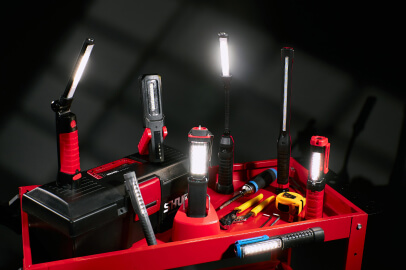
SCI provides a wide range of work lights designed specifically for heavy-duty agricultural and construction machinery. Their products are built to withstand the toughest field conditions—dust, water, chemicals, and extreme temperatures—making them a reliable choice for equipment manufacturers, system integrators, and contractors who require dependable lighting solutions for heavy-duty applications.
| Product ID | Product Mode | Voltage | Raw Lumen Output | Effective Lumen Output | IP Rating | Certifications |
| C2-319RA | 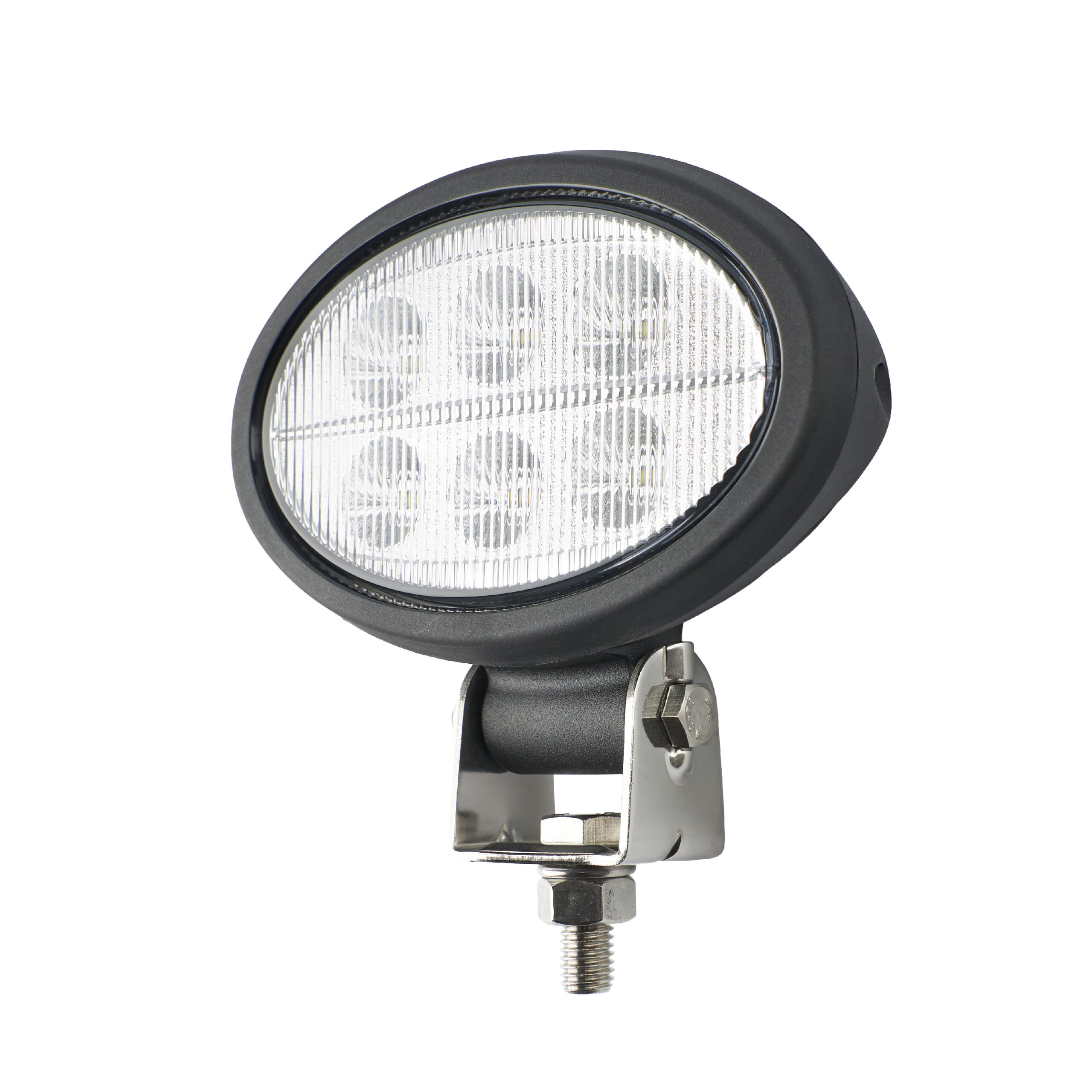 | 9-33V DC | 4200Lm | 1900LM | IP67/ IP69K | ECE R10 ISO13766 CISPR25 CLASS 5 |
| C2-319RB | 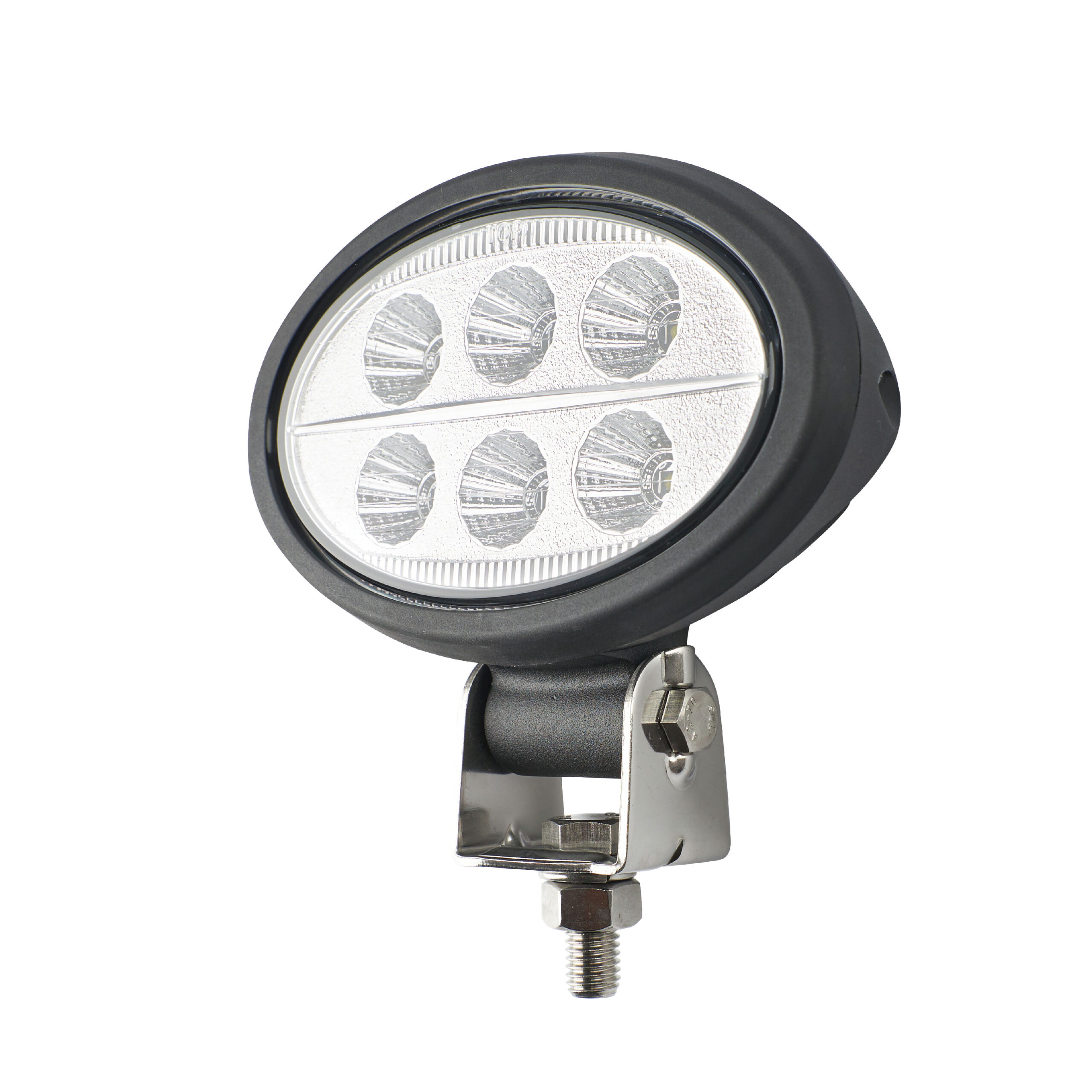 | 9-33V DC | 4200Lm | 2200LM | IP67/ IP69K | ECE R10 ISO13766 CISPR25 CLASS 5 |
| C2-388B1 | 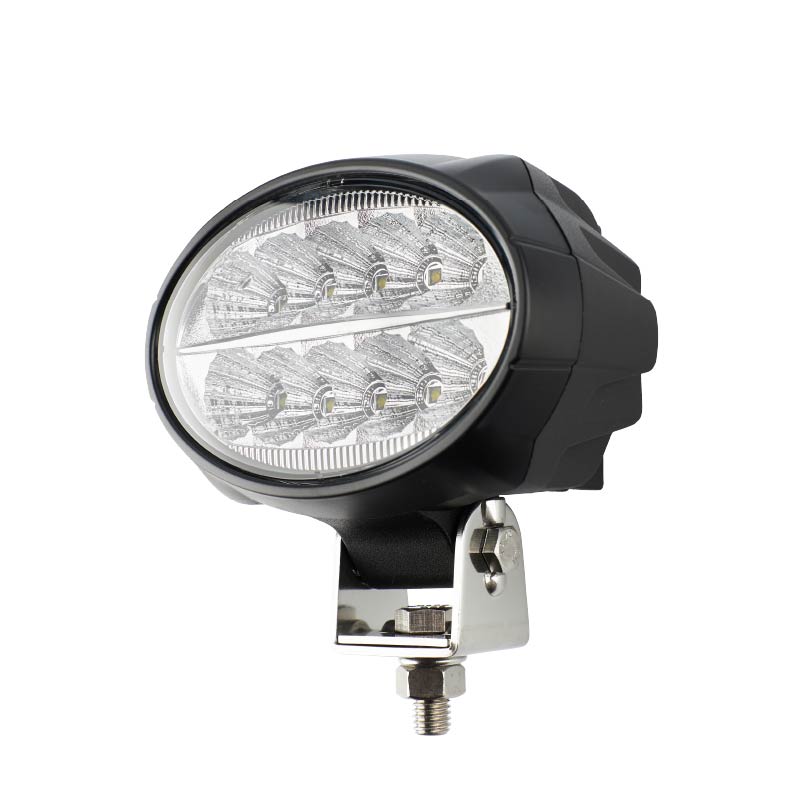 | 10-33V DC | 7000Lm | 4100Lm | IP68 / IP69K | ECE R10 ISO13766 CISPR25 CLASS 5 |
| C2-388B2 | 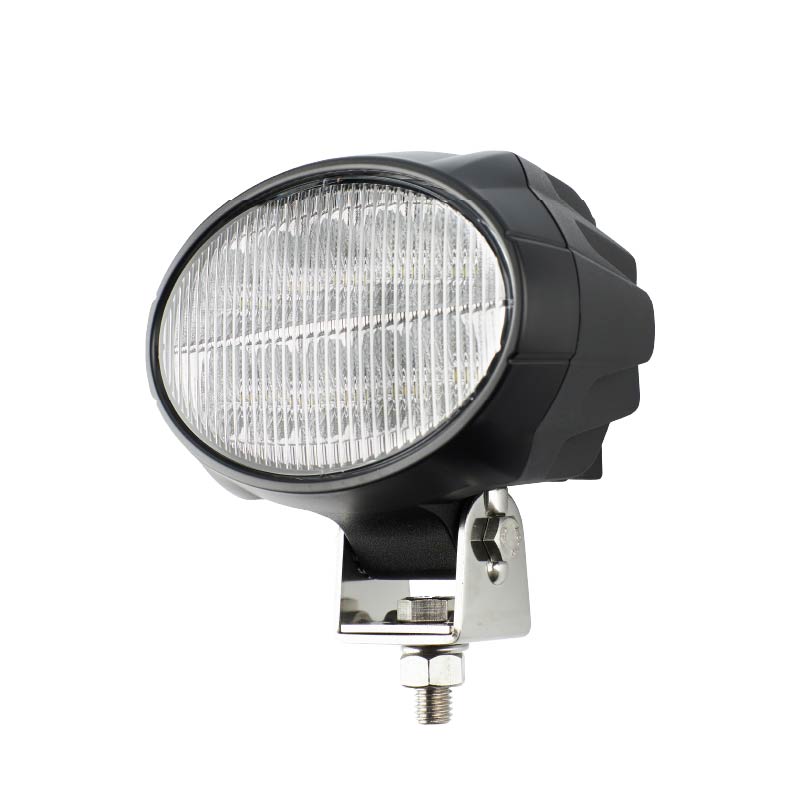 | 10-33V DC | 7000Lm | 4100Lm | IP68 / IP69K | ECE R10 ISO13766 CISPR25 CLASS 5 |
| C2-3027 | 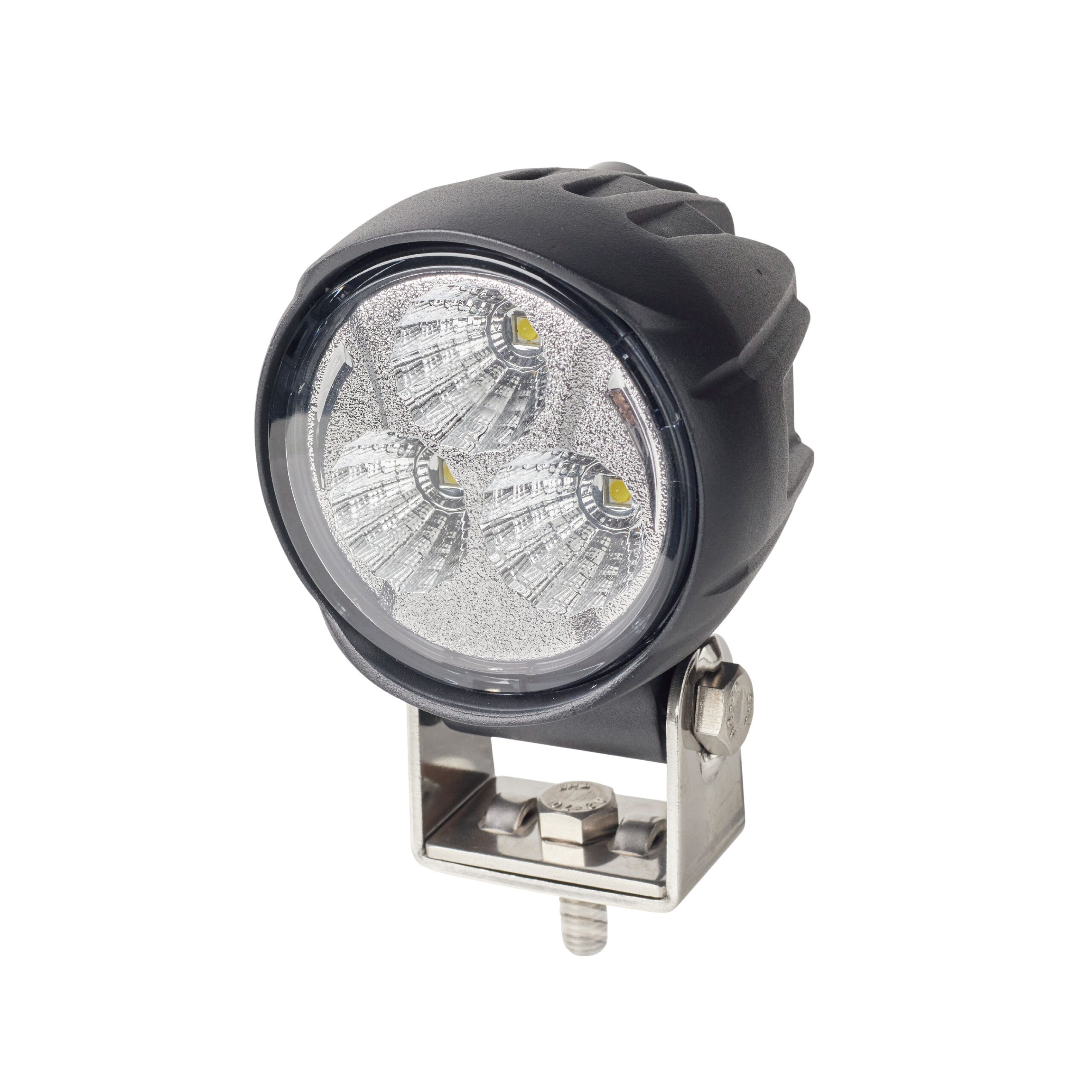 | 9-33V | 3645Lm | 2600Lm | IP68 / IP69K | ECE R10 ISO13766 CISPR25 CLASS 5 |
| C2-3027W | 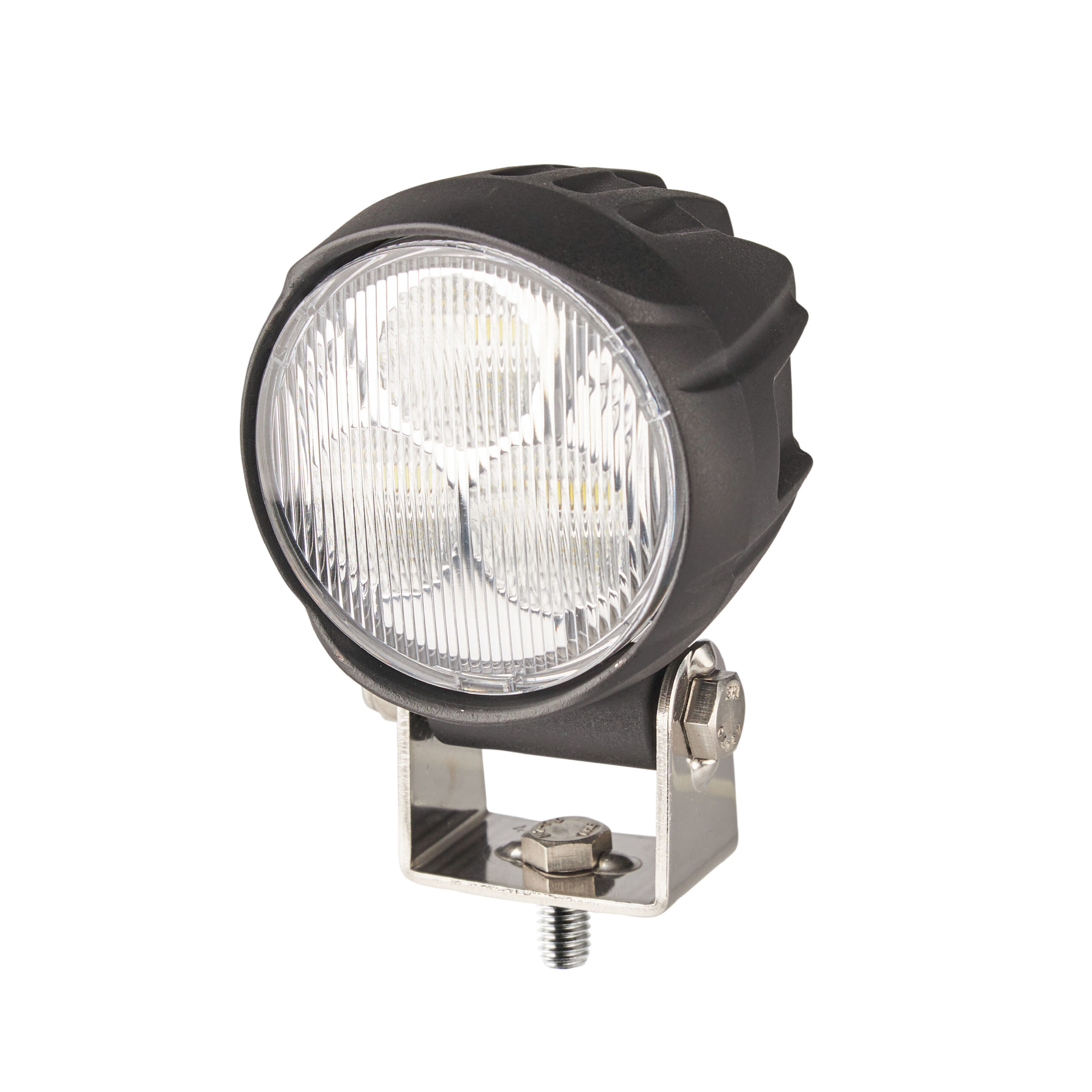 | 9-33V | 3645Lm | 2600Lm | IP68 / IP69K | ECE R10 ISO13766 CISPR25 CLASS 5 |
| C2-3028A1 | 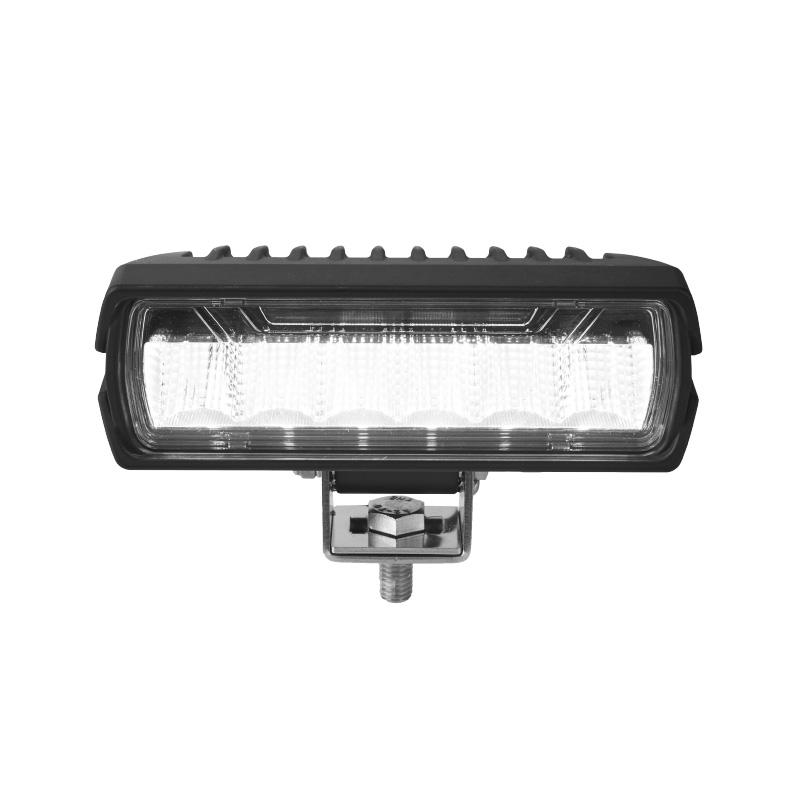 | 10-33V DC | 4200Lm | 1900Lm | IP68 / IP69K | ECE R10 ISO13766 CISPR25 CLASS 5 |
| C2-3028A2 | 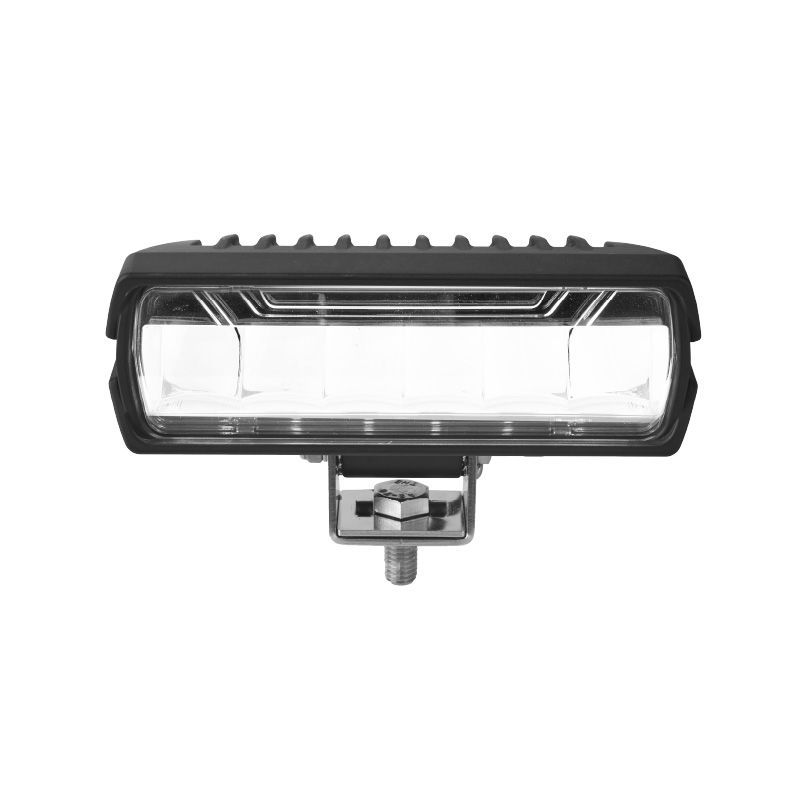 | 10-33V DC | 4200Lm | 1900Lm | IP68 / IP69K | ECE R10 ISO13766 CISPR25 CLASS 5 |
| C2-3021 | 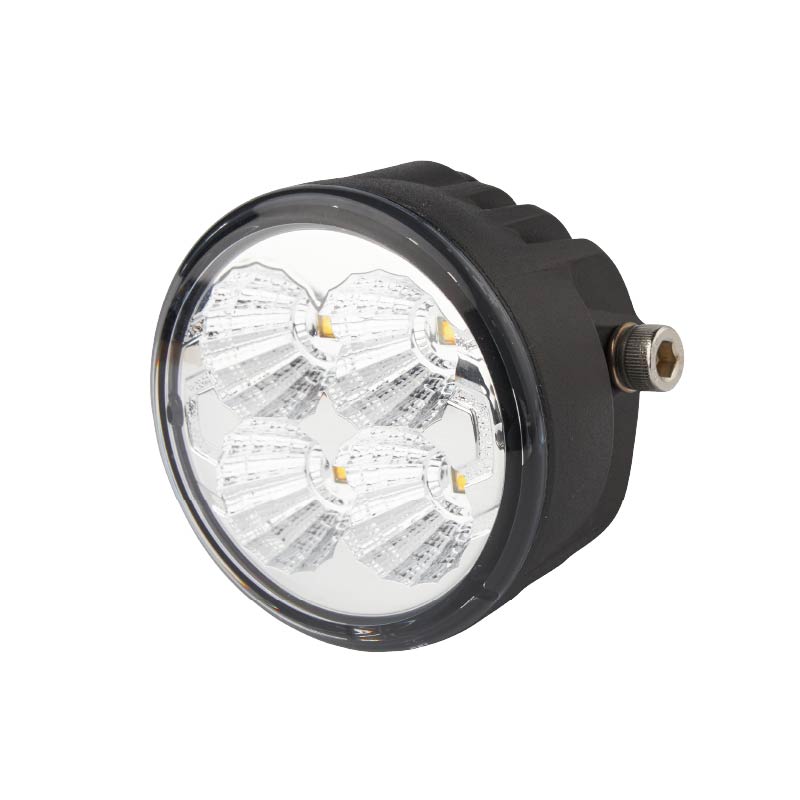 | 9-16V 20-33V | 1800Lm | 500Lm | IP68 / IP69K | ECE R10 ISO13766 CISPR25 CLASS 5 |
Each SCI agricultural work light comes with detailed technical specifications, including voltage, color temperature, raw and effective lumen output, IP rating for dust and water protection, and EMC certification to ensure electromagnetic compatibility. Whether you’re working in muddy fields or harsh industrial environments, these lights are built to automotive-grade standards, delivering powerful illumination and long-term durability.
Contact us now to upgrade your agricultural lighting. Let us quickly match the right lighting solutions to your specific application requirements.
Further Reading: The 11 Kinds of Car Lights You Should Know: Functions & Tips in One Guide
5.FAQs
Q1. What is the difference between raw lumens and effective lumens?
Raw lumens measure the theoretical maximum brightness of the LED chips. Effective lumens measure the actual light output after accounting for heat and lens efficiency. Effective lumens are the honest number you should trust.
Q2. Can agricultural lights withstand extreme weather?
Yes, but only if they are rated correctly. Look for lights with IP68/IP69K ratings and an operating temperature range (-30°C to +85°C) to ensure they survive freezing winters and scorching summers.
Q3. How do I choose the right beam pattern for agricultural lights?
Choosing the correct beam pattern ensures your agricultural lights match the job at hand. Here’s a quick guide:
- Flood beam: Best for illuminating the working area close to your machinery, such as for hitching or spraying.
- Wide flood: Provides broad, even coverage over large fields or work zones.
- Spot beam: Ideal for seeing farther down field rows or for nighttime road driving.
Further Reading:
5 Types of Marine Lights at Night: A Safety & Compliance Guide