







3 Uses of Forklift Truck Blue Lights That Make Workplaces Safer

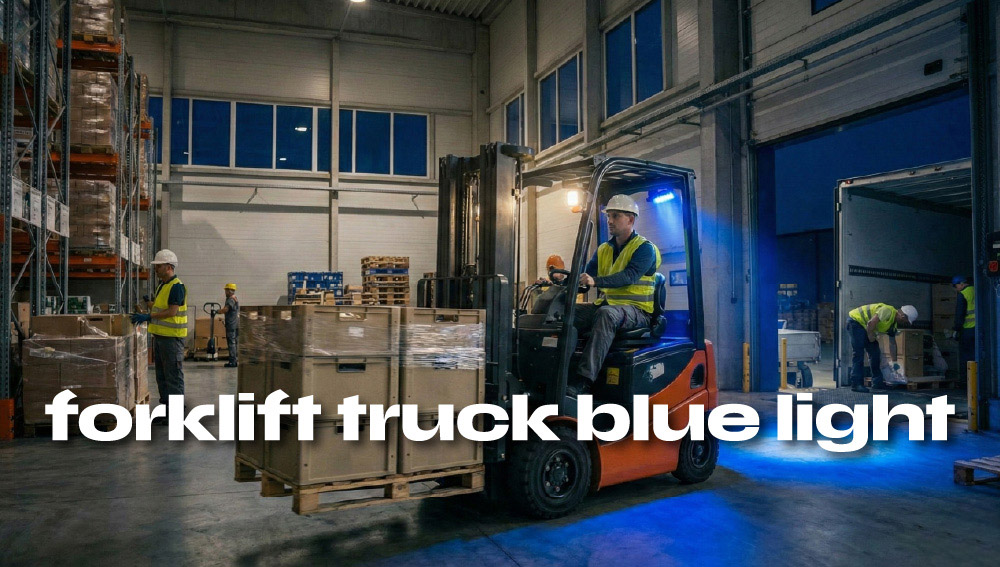
Many incidents in industrial settings occur due to poor visibility. To combat this issue, a device known as the forklift truck blue light was developed. It creates a clear warning path, helping workers anticipate a forklift’s movements.
This article highlights three significant ways blue lights contribute to workplace safety, as well as four essential standards that guide their effective use.
1.What Is a Forklift Truck Blue Light?
A forklift truck blue light serves as a safety feature that casts a bright blue beam onto the ground in front of or behind the vehicle.
Its main aim is to provide a visual warning signal, helping to alert nearby workers to the forklift’s movements and reducing the risk of unexpected collisions.
Let’s take a closer look at three key ways these lights enhance safety in industrial environments.
Enhance Awareness
The blue beam is easily distinguishable from surrounding distractions, allowing employees to spot forklift activity even when racks or equipment may obstruct their view.
Reduce Accidents
By projecting a blue beam or spot several feet ahead, the forklift truck blue light effectively reduces the likelihood of collisions at intersections and in tight areas.
Effective in Noisy Environments
In environments filled with machinery, where horns and alarms might be barely audible, this visual cue ensures that crucial warnings are still communicated.
Further reading: What is CCT in Lighting and How to Choose the Right One?
2.3 Standards for Blue Lights on Forklift Trucks
When selecting blue lights for forklift trucks, it’s essential to understand key performance criteria to ensure safety and compliance with three important standards.
Visibility Range
Quality forklift truck blue lights should project a clear and visible beam at distances of 10 to 20 feet from the forklift. This distance allows pedestrians enough time to notice the light and move to safety.
Brightness
For optimal performance, a forklift truck blue light should emit at least 100 lumens. This guarantees visibility even under bright warehouse lighting and on reflective industrial surfaces. The beam must retain consistent intensity and clarity at the required viewing distances.
Waterproof
Industrial environments often involve moisture, cleaning chemicals, and harsh conditions. Forklift truck blue lights should meet the IP67 standard, meaning they can withstand temporary immersion in water and are completely dust-tight. This rating ensures reliable operation in demanding workplace conditions.
OSHA compliance ensures the lights meet federal safety standards and can be legally used in workplace safety programs.
3.3 Maintenance Methods for Forklift Blue Lights
Regular maintenance is crucial for the forklift truck’s blue lights. It helps extend their lifespan and ensures they work effectively. Here are three key practices for keeping your blue lights operational.
Check Beam Alignment
Make it a habit to regularly check the position of your forklift truck’s blue lights to ensure they properly illuminate the ground at a distance of 10 to 15 feet from the vehicle. Inspect the mounting brackets for any looseness and adjust the angles as necessary.
Further reading: A Guide to Understanding the Beam Angle of LED Lights
Inspect Voltage
Check whether the installed product specifications support voltages above 48V to avoid incompatibility and potential damage to the product.
Ensure Brightness
Keep the lens surfaces clean to ensure optimal performance. Check visibility under different lighting conditions, and replace LED modules if the brightness or sharpness of the projection is significantly diminished.
Further reading: COB LED VS SMD LED Portable Work Lights: 8 Main Differences
4.Red Lights vs. Blue Lights: Differences and Usage
While forklift truck blue lights serve specific warning functions, red lights complement them by addressing different safety zones and operational needs. Understanding the distinct roles of red and blue warning lights helps facilities implement comprehensive forklift safety systems.
Red Safety Lights
Red safety lights are typically positioned along the sides of vehicles to create a no-go perimeter. This illuminated boundary, usually 2 to 5 feet wide, serves as a clear visual barrier that pedestrians should avoid crossing.
Blue Safety Lights
Forklift truck blue lights are located at the front and rear as approach warning systems, alerting pedestrians to an approaching forklift. They project blue beams along the travel path, alerting workers to the vehicle’s presence before it becomes visible at intersections and blind corners.
Red and blue lights can be used together to provide complementary coverage, further enhancing overall workplace safety.
Further reading: Automotive Fog Lights: When to Use and Why They Matter?
5.Top-Rated Forklift Blue & Red Lights by SCI
SCI provides a wide array of high-quality forklift safety lighting solutions tailored to meet the strict demands of industrial environments.
Our blue and red safety lights offer exceptional visibility and durability, adhering to automotive testing standards to guarantee reliable, long-lasting performance even in harsh conditions.
| Product ID | Product Mode | Light Type | Voltage Range | Lumens | IP Rating | Mount Type |
| C2-7809U | 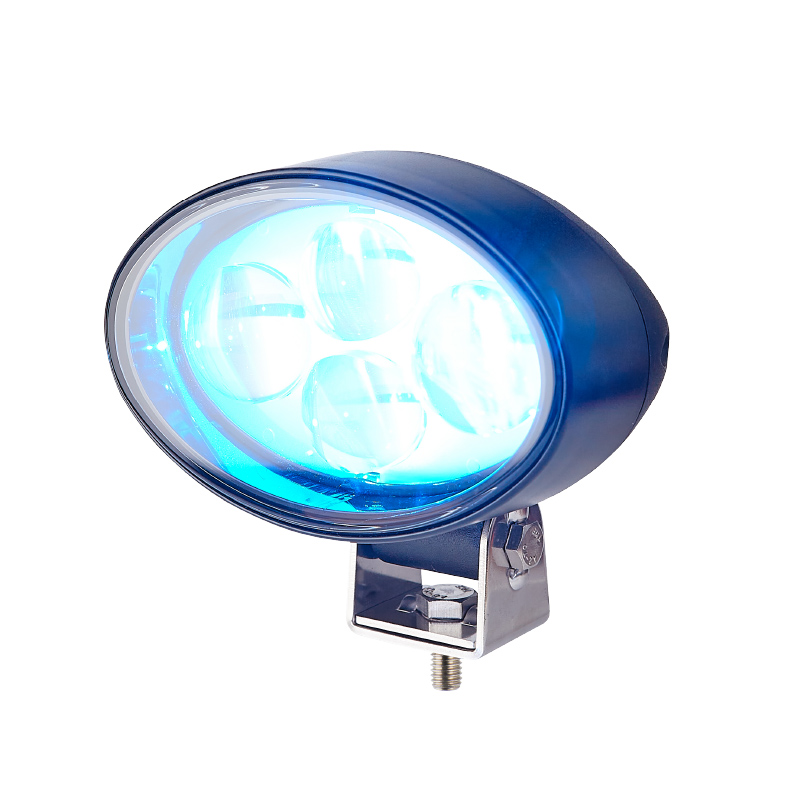 | Blue Safety | 9-96V | 370Lm | IP68 | Adjustable |
| C2-379U | 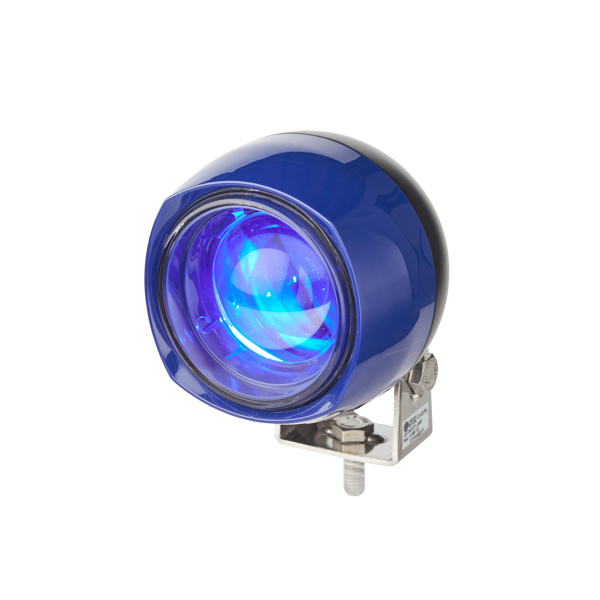 | Blue Safety | 9-96V | 260Lm | IP67 | Adjustable |
| C2-7812 | 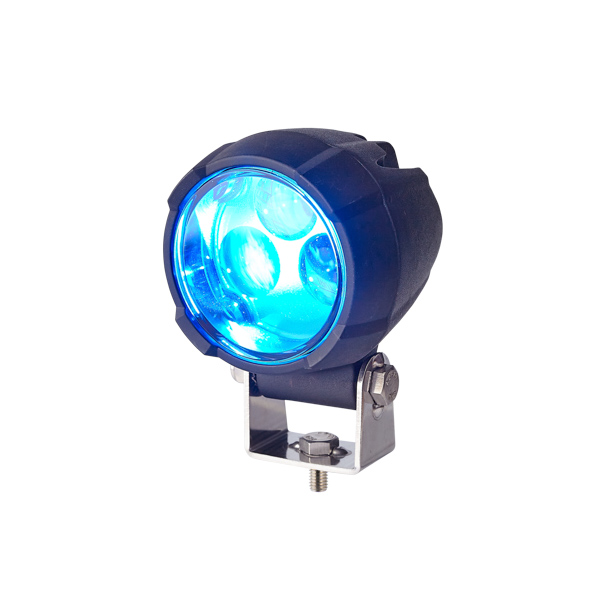 | Blue Safety | 9-64V | 110Lm | IP67 | Adjustable |
| C2-383 | 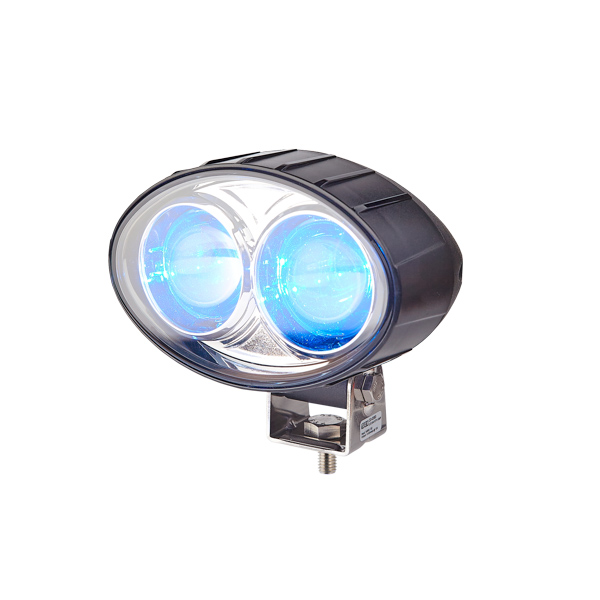 | Blue Safety | 9-64V | 188Lm | IP67 | Adjustable |
| C2-7810R | 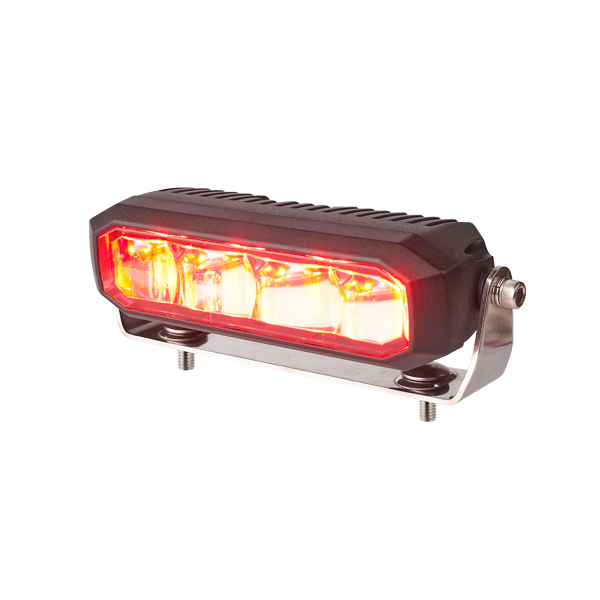 | Red Warning | 9-80V | 700Lm | IP67 | Adjustable |
| C2-7815 | 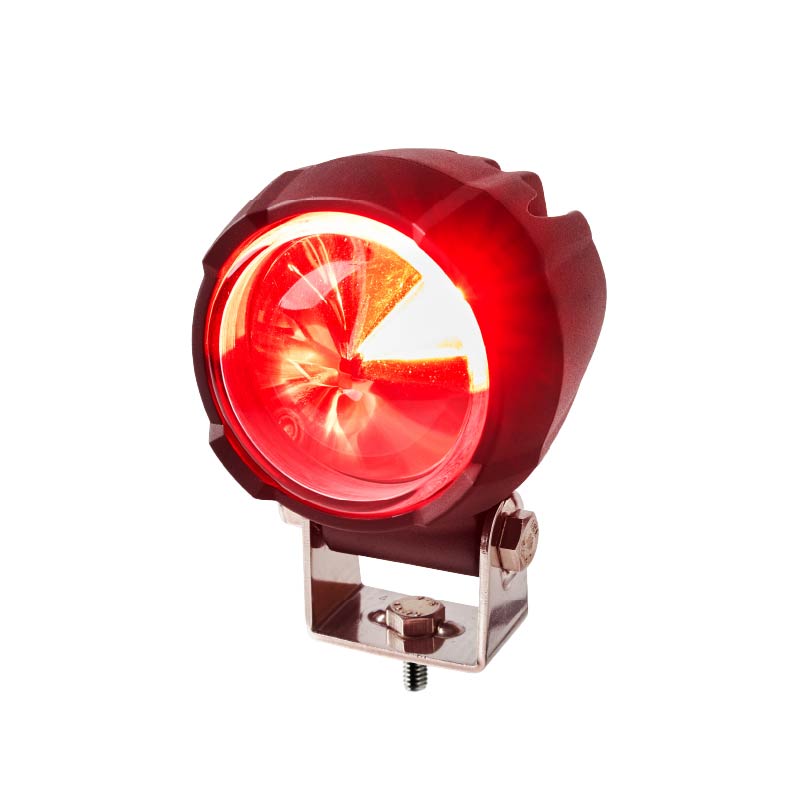 | Red Warning | 9-64V | 200Lm | IP68/IP69K | Adjustable |
| C2-7805R | 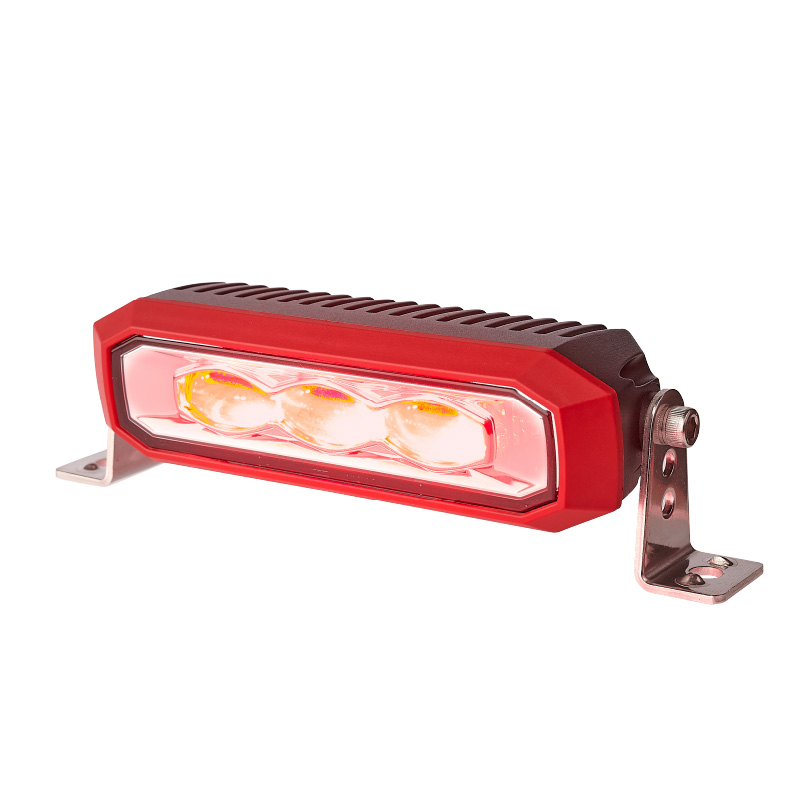 | Red Warning | 9-80V | 900Lm | IP67 | Adjustable |
| C2-379R | 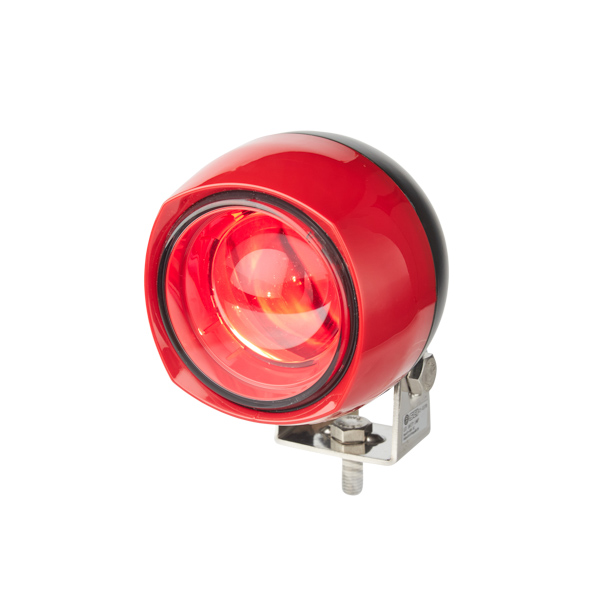 | Red Warning | 9-96V | 260Lm | IP67 | Adjustable |
| C2-7809R | 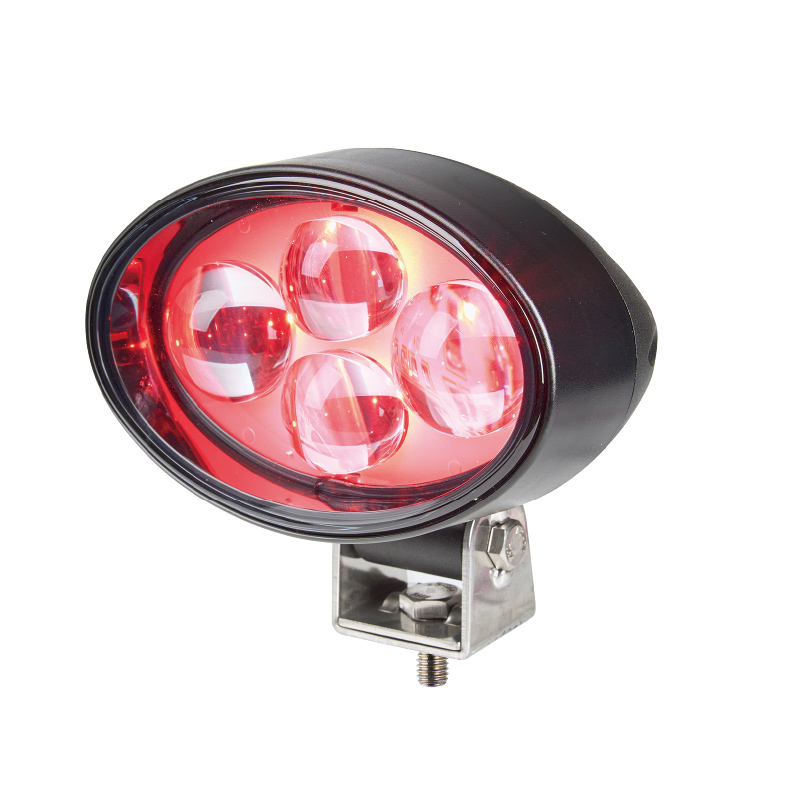 | Red Warning | 9-96V | 590Lm | IP68 | Adjustable |
All SCI safety lighting products are designed for exceptional strength, easy installation using universal mounting systems, and high-visibility LED technology. The wide voltage range of 9-96V ensures compatibility across all forklift models, providing dependable protection and stability in every operation.
Need help choosing the right safety lighting system? Contact SCI for tailored advice and specifications.
6.3 Safety Tips When Driving a Forklift Truck
Forklift truck blue lights enhance safety, but operators must follow proper driving practices to maximize protection. Essential safety guidelines complement these warning systems to prevent accidents in industrial environments.
Remain Alert
Safety lights are supplemental warning devices, not replacements for careful driving. Operators must maintain constant awareness and assume pedestrians may not see or respond to light warnings.
Aim the Lights Properly
Position forklift truck blue lights to project beams onto the ground rather than at eye level. Proper aiming prevents glare and should create a clear spot 10-15 feet ahead of the forklift.
Inspect Before Shifting
Test all warning lights before each shift. Verify forklift truck blue lights are functioning correctly and properly aligned. Report malfunctioning lights immediately and avoid operating until repairs are completed.
Forklift truck blue lights serve as a “warning guard” and “visual signal” in the workplace. They provide a striking and intuitive way to complement the shortcomings of traditional audible alarms in certain environments, thereby improving workplace safety.
Therefore, installing forklift safety warning lights on forklift trucks helps companies comply with relevant labor safety regulations and strengthens workplace safety.
Further reading:The 11 Kinds of Car Lights You Should Know: Functions & Tips in One Guide
Further reading:5 Types of Boat Lights at Night and How They Keep You Safe